


Unique Antique Labels for Culinary and Historical Enthusiasts
Overview
Antique labels are captivating artifacts that connect us to culinary history and traditions. This article explores unique labels, such as vintage mincemeat and firefighter labels, highlighting their artistic value and historical significance. Collecting these labels offers insights into past food culture, making them not just decorative items but conversation starters that preserve culinary heritage. Tips for collecting include researching history, ensuring authenticity, and finding appropriate display methods.
Frequently Asked Questions
1. What are antique labels?
2. Why should I consider collecting antique labels?
3. What are some unique types of antique labels mentioned in the article?
4. How should I store or display my antique labels?
5. What is a key tip for purchasing antique labels?
Antique labels serve as fascinating windows into the past, bringing forth stories and rich histories tied to food products and the eras they represent. For collectors, these labels are more than decorative items; they encapsulate a sense of nostalgia and an opportunity to connect with culinary traditions that have shaped our food culture. In this article, we will explore a selection of unique antique labels that not only serve as eye-catching decor but also reveal interesting tidbits about the food products they once represented. Whether you are an avid collector or just someone who appreciates the artistry of vintage design, these pieces are sure to captivate your imagination.
Step Back in Time with Vintage Mincemeat Labels
One of the most intriguing collections of antique labels comes from the world of mincemeat, a traditional filling used in pies and other dishes that has a rich history in American gastronomy. The Rare 1910s Large Antique Vintage Mincemeat Label Wall Art is a remarkable example of this culinary heritage. Measuring an impressive 8 1/4 x 5 1/2 inches, this label not only adds a touch of vintage charm to any room but also tells a story of its origins. Designed for Edgar Brick and Sons of Crosswicks, New Jersey, the label showcases a product that boasted the unique addition of real brandy, enhancing its flavor and contributing to its popularity during the early 20th century.
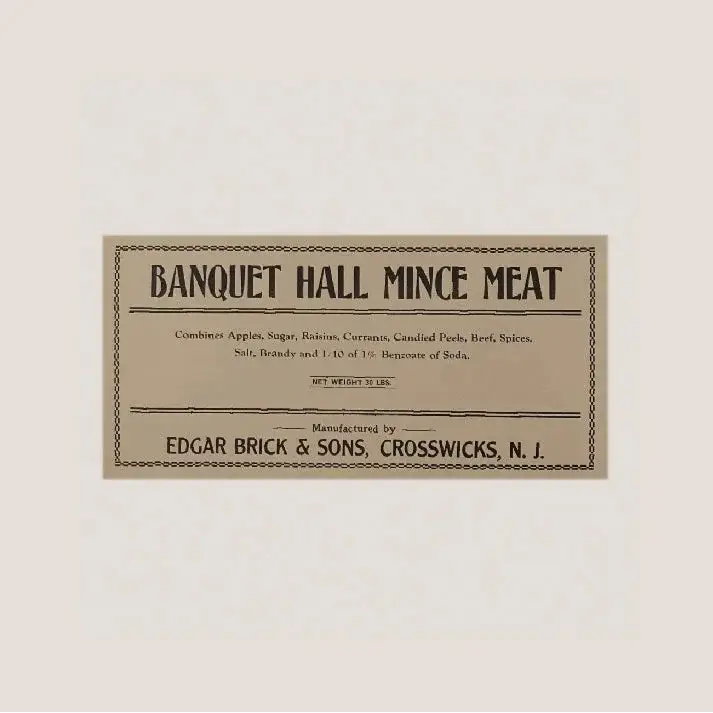
This label serves as more than just wall art; it is a conversation starter that invites you to explore the culinary practices of the past. Imagine how it must have adorned banquet tables during festive gatherings, providing a glimpse into the eating habits of a bygone era. The craftsmanship of the label itself reflects the artistic values of the time, making it a coveted piece for collectors.
The Allure of Old Homestead Mince Meat Labels
Continuing in the world of mincemeat, another fascinating find is the Rare Antique Vintage Old Homestead Mince Meat Labels Bundle. This collection of labels from the 1910s to the 1930s brings to life the artistry associated with early 20th-century packaging. Each label features stunning lithography, showcasing picturesque farm scenes that reflect the pastoral charm of that era. These labels are not just about aesthetics; they also reveal a notable historical context.
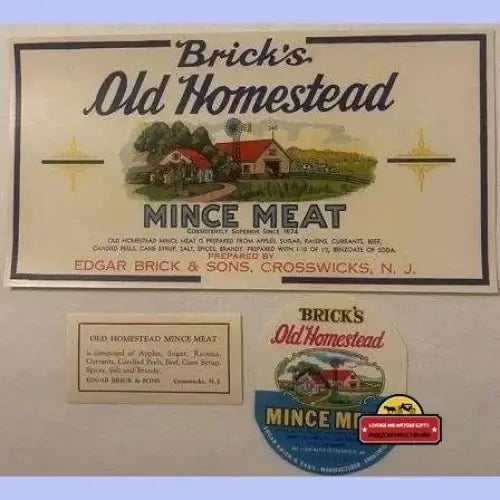
During the Prohibition era, the popularity of mince meat surged, primarily due to its inclusion of brandy as an ingredient. This intriguing detail adds depth to the historical significance of these labels, illustrating how food products adapt to societal changes. Collecting these labels offers a glimpse into the lives of those who consumed them, and their scarcity makes them truly special artifacts for any collection.
A Glimpse into Prohibition with a Firefighter Label
Shifting gears, we can explore another fascinating piece from the Prohibition era: the Rare Antique Vintage Firefighter Alcohol Neck Label from 1920s. This unique artifact measures 4 1/4" x 1 1/2" and features a striking design that captures the essence of firefighting heroism against the backdrop of an era defined by its societal upheavals.

This label tells a captivating story of the clandestine nature of alcohol production during Prohibition. With speakeasies flourishing in hidden corners, this artifact serves as a reminder of the complexities surrounding alcohol consumption and the individuals who navigated this turbulent time. The bold colors and intricate design of the firefighter label stand as a testament to the craftsmanship and creativity of that era, making it a wonderful addition to any collection.
Why Collect Antique Labels?
Antique labels are not just relics of history; they offer a unique perspective on the cultural and culinary practices of their time. Here are a few reasons why you might consider adding these pieces to your collection:
- Historical Significance: Many antique labels tell stories about the food products they represent, reflecting changes in ingredients, marketing strategies, and societal norms.
- Artistic Value: The design elements of antique labels often showcase the artistic sensibilities of their time, making them visually appealing décor items.
- Conversation Starters: Having unique antique labels in your home can intrigue guests and spark meaningful conversations about history, food, and culture.
- Culinary Heritage: Collecting these items helps preserve the culinary traditions and stories associated with food products, providing a tangible connection to the past.
Buyer’s Guide to Collecting Antique Labels
If you’re interested in starting or expanding your collection of antique labels, here are some tips to consider:
- Research: Familiarize yourself with the history of food products and the significance of various labels. Understanding the context behind each label can enhance your appreciation and knowledge.
- Condition Matters: Look for labels that are in good condition, as wear and tear can significantly affect their value. Check for fading, tears, or discoloration.
- Authenticity: To ensure you are purchasing genuine antique labels, buy from reputable dealers or auction houses known for their expertise in vintage collectibles.
- Display Options: Consider how you want to display your labels. Framing them or using shadow boxes can protect them while also showcasing their beauty in your home.
- Connect with Others: Join collector groups or attend antique shows to meet fellow enthusiasts and expand your network. Sharing knowledge and experiences can enhance your collecting journey.
In conclusion, antique labels are more than just old prints; they represent stories, history, and artistry that deserve recognition. The mincemeat and firefighter labels discussed here provide delightful insights into the past, showcasing the creativity and craftsmanship of their respective eras. Whether you choose to collect them for aesthetic reasons, their historical significance, or as part of culinary heritage, antique labels offer a unique lens through which to view the past. Happy collecting!
