


Collectible Vintage Bottle Caps Evoking Soda History
Frequently Asked Questions
1. What are vintage bottle caps?
2. What factors make vintage bottle caps collectible?
3. Can you provide examples of standout vintage bottle caps?
4. What should I consider when buying vintage bottle caps?
5. Why are vintage bottle caps significant to collectors?
For many collectors, vintage bottle caps are more than just pieces of metal; they are portals to the past, each telling a unique story from the vibrant world of soft drinks. Rooted in nostalgia and Americana, these bottle caps evoke memories of summertime picnics, drive-in theaters, and the fizz of a freshly opened soda. Whether you’re a seasoned collector or a novice interested in the aesthetics of yesteryear, rare vintage bottle caps can be a fascinating addition to your collection. In this article, we’ll explore some standout vintage bottle caps that capture the essence of their respective eras: the Rare Vintage Sun Drop Bottle Cap from the 1980s, the Rare Antique Vintage King Bee Grape Soda Bottle Cap from the 1950s, the Rare 1980s Royal Crown Cola International Bottle Cap, and the Rare 1960s Patio Diet Cola Cork Bottle Cap from Minnesota. Each of these caps is not only a collector's item but also a piece of history in its own right.
Understanding Vintage Bottle Caps
Before diving into the specific caps, it’s helpful to understand what makes vintage bottle caps collectible. Many factors contribute to their desirability, including age, rarity, brand significance, and historical context. Collectors often seek out caps that feature iconic logos, unique designs, or represent a significant moment in beverage history. Other than their aesthetic appeal, these caps often serve as conversation starters, inviting stories and discussions about the culture and lifestyle of their time.
Rare Vintage Sun Drop Bottle Cap from the 1980s
The first cap we’ll discuss is the Rare Vintage Sun Drop Bottle Cap from 1980s Texas Dr. Pepper Plant. This captivating bottle cap is a throwback to a vibrant time in soda history when flavors were bold and marketing was brash. Originally belonging to the Dr. Pepper Bottling Company, the cap encapsulates the essence of the 1980s soda scene, featuring the iconic Sun Drop logo.
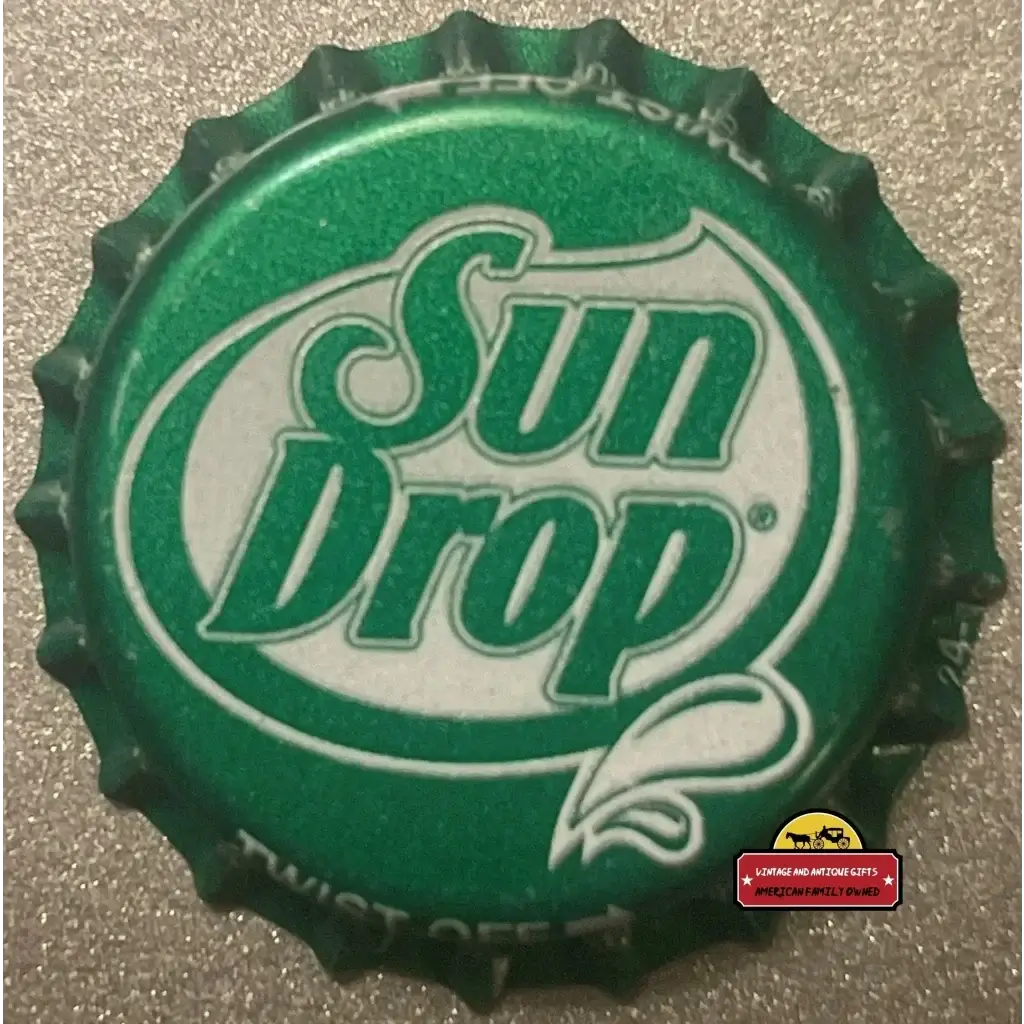
What makes this cap particularly special is its connection to racing legend Dale Earnhardt, who was synonymous with the Sun Drop brand during this era. The cap represents not just a drink but also the excitement of NASCAR and the broader cultural trends of the time. With two competing designs of the cap, one in green and one in yellow, it offers a unique collector's dilemma over which one holds the true essence of the Sun Drop experience.
Rare Antique Vintage King Bee Grape Soda Bottle Cap from the 1950s
Next on our list is the Rare Antique Vintage King Bee Grape Soda Bottle Cap from the 1950s. This vibrant piece is a delightful find for any soda aficionado searching for a touch of retro charm. With its bold purple and silver colors and the iconic King Bee logo, this cap is not only eye-catching but also rich in history.

Imagine the summer picnics and drives-in this cap could have been a part of, each sip taken amidst laughter and music. The King Bee Grape Soda brand embraced a playful spirit, and this cap symbolizes a nostalgic moment in soda history when grape soda was a favorite among children and teens alike. Owning this cap is akin to holding a cherished memory that transports you back to the joyous simplicity of mid-century America.
Rare 1980s Royal Crown Cola International Bottle Cap
The Rare 1980s Royal Crown Cola International Bottle Cap is another treasure that embodies a rich history in the soft drink industry. With its bold design and unique international labeling, this bottle cap is a testament to the innovation and marketing prowess of RC Cola during a period of fierce competition among cola brands.
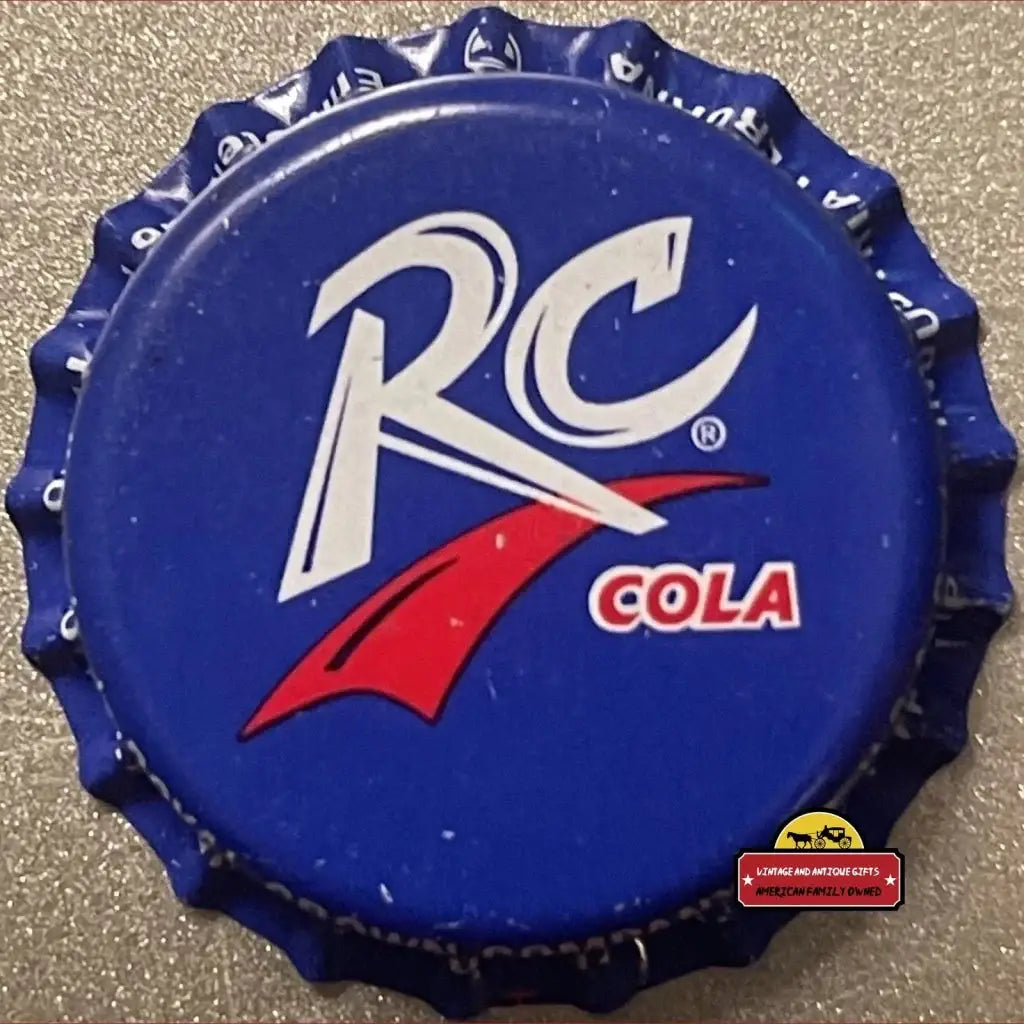
This cap stands out not only for its rarity but also for its historical significance; it captures a moment when RC Cola was carving out its niche in the beverage landscape. Known for groundbreaking initiatives like introducing the first canned soda, RC Cola has left an indelible mark on soda culture. This cap invites you to be part of that legacy—an artifact from a time when cola wars were at their peak.
Rare 1960s Patio Diet Cola Cork Bottle Cap from Minnesota
Last but certainly not least is the Rare 1960s Patio Diet Cola Cork Bottle Cap from Minnesota. This captivating piece hails from a unique period in beverage history when Pepsi was diversifying its product lines to compete with established brands like Diet Rite. Produced between 1963 and 1964, this cork cap represents a fleeting moment in the evolution of soft drinks.
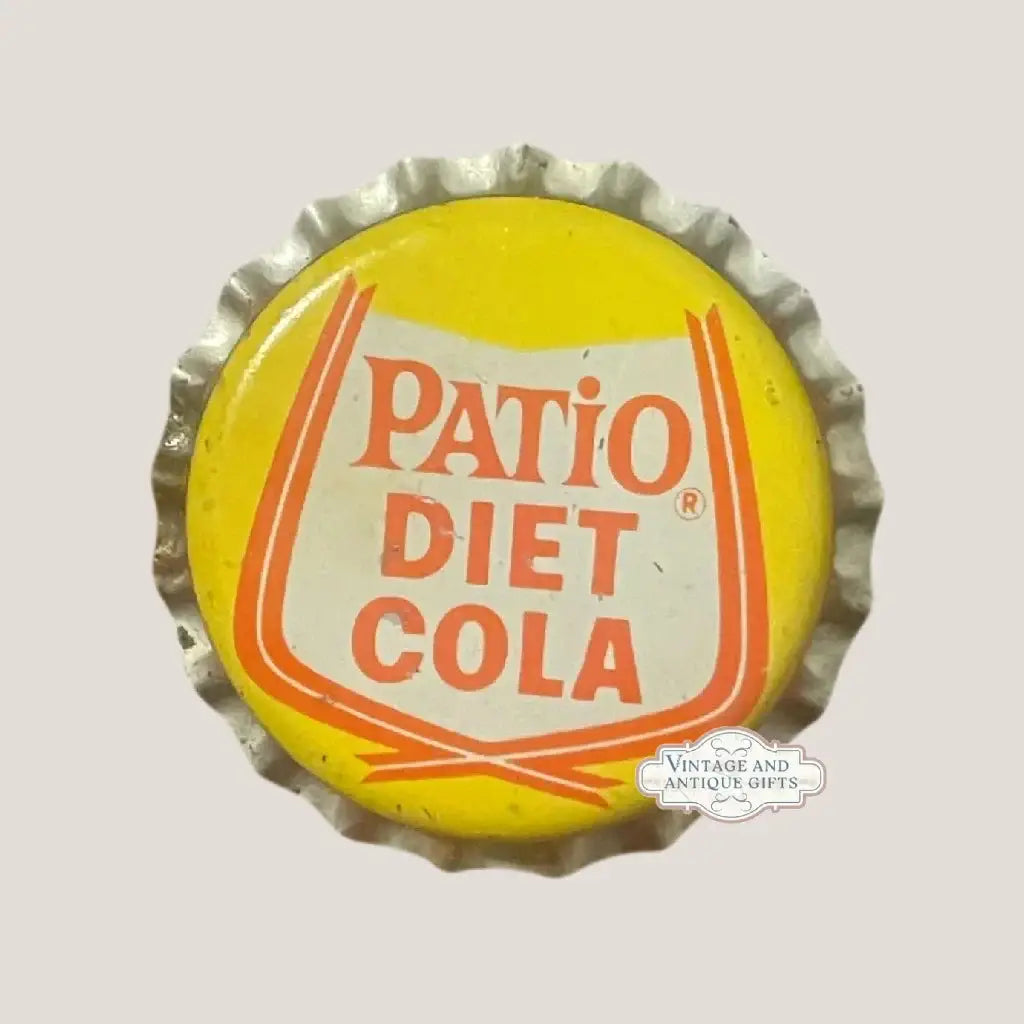
The story of Patio Diet Cola is remarkably tied to fitness culture of the 1960s, prominently featuring fitness guru Debbie Drake in its marketing. When Pepsi took over the brand shortly after this cap’s production run, it cemented the cap’s place in history as a rare artifact from a brief but significant chapter in soda history. Collecting this cap means owning a piece of a narrative that showcases the dynamic shifts within the beverage industry and the influence of popular culture on product marketing.
Buying Guide for Vintage Bottle Caps
When considering adding vintage bottle caps to your collection, there are a few key aspects to keep in mind:
- Condition: The physical state of the cap is crucial. Look for caps that are free from significant rust, dents, or fading. The better the condition, the higher the value.
- Rarity: Some caps are produced in limited quantities or represent a specific brand or era, making them more desirable. Research the history and production details of the caps you’re interested in.
- Brand Significance: Caps associated with popular or iconic brands often hold more value. Consider how known the brand is within soda culture.
- Aesthetic Appeal: Sometimes, the design or colors can make a cap particularly attractive to collectors, even if it isn’t the rarest piece in terms of production.
- Provenance: Knowing the origin of a cap can add to its story and, consequently, its value. Caps with interesting backstories or connections to notable events or figures often attract more attention.
Whether you’re an avid collector or simply a lover of vintage Americana, exploring the world of vintage bottle caps offers a delightful journey into the past. From the fizzy delights of the 1980s to the nostalgic flavors of the 1950s and 1960s, each cap serves as a tangible reminder of the rich history and cultural significance of soda in American life. Happy collecting!
