Skip to product information
1 of 6

Vintage and Antique Gifts

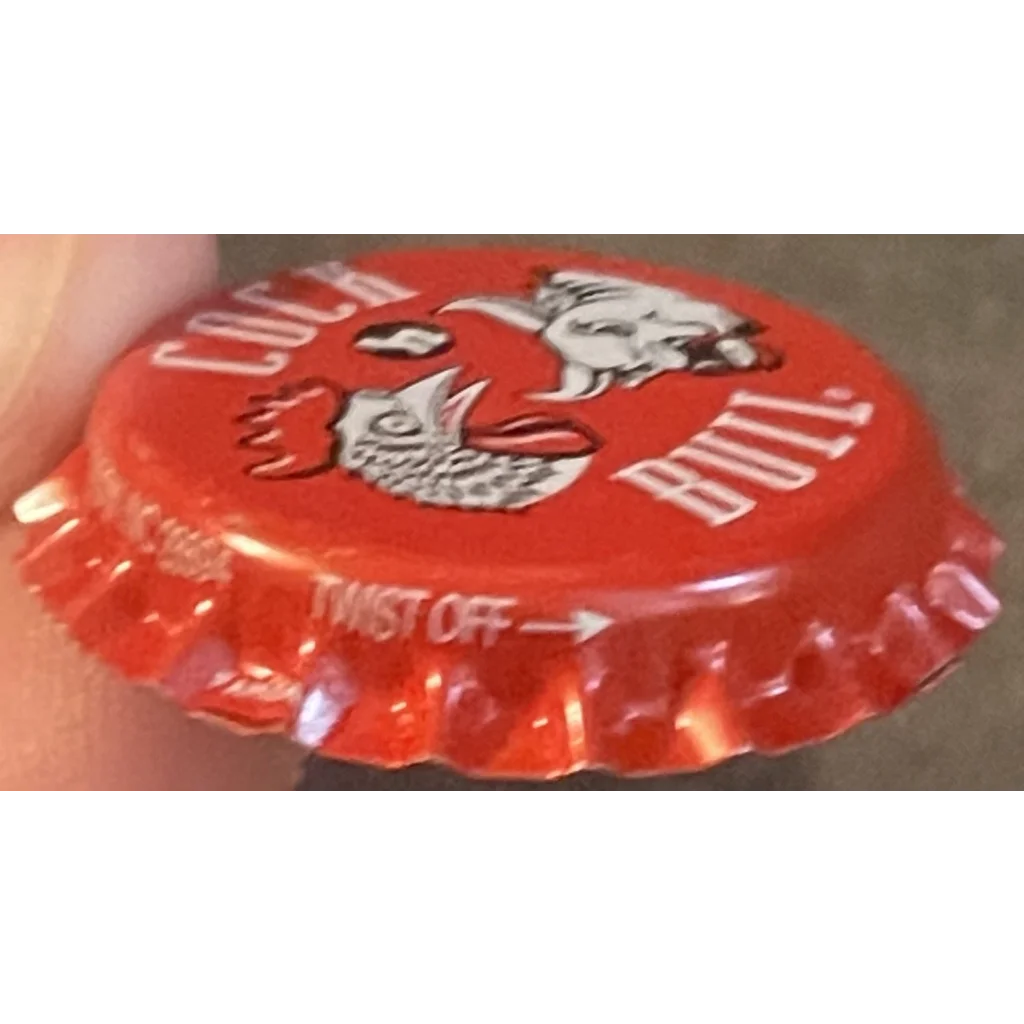
Vintage Cock 'n Bull Bottle Cap 🐓 Rooster & Bull Ginger Beer Soda Advertising

Regular price 6.00 USD
Regular price Sale price 6.00 USD
Sale Sold out
Shipping calculated at checkout.

Description

🐓🐂 Ever Wonder Why a Rooster and a Bull Are Squaring Off on a Soda Cap?

There's a particular kind of magic in a bottle cap that most people would toss without a second look — a little disc of stamped metal that once sealed something fizzy, sharp, and a little bit rebellious. I've pulled thousands of caps out of old crates and dusty five-and-dime bins over the years, and every so often one stops me cold with its artwork alone. This one does exactly that: a wide-eyed rooster hollering with his tongue out, nose to nose with a snorting bull doing the very same thing, squared off in the center of a bold red-orange field like they're about to have it out right there on the crown of the bottle. It's playful, it's a little absurd, and it's exactly the kind of graphic confidence that made mid-century and later soda branding so much fun to collect. But behind that cartoon face-off is one of the richest, best-documented stories in American beverage history — a story that runs straight through a legendary Hollywood restaurant, a Russian émigré's vodka gamble, and the invention of a cocktail that changed what Americans drank at the bar.

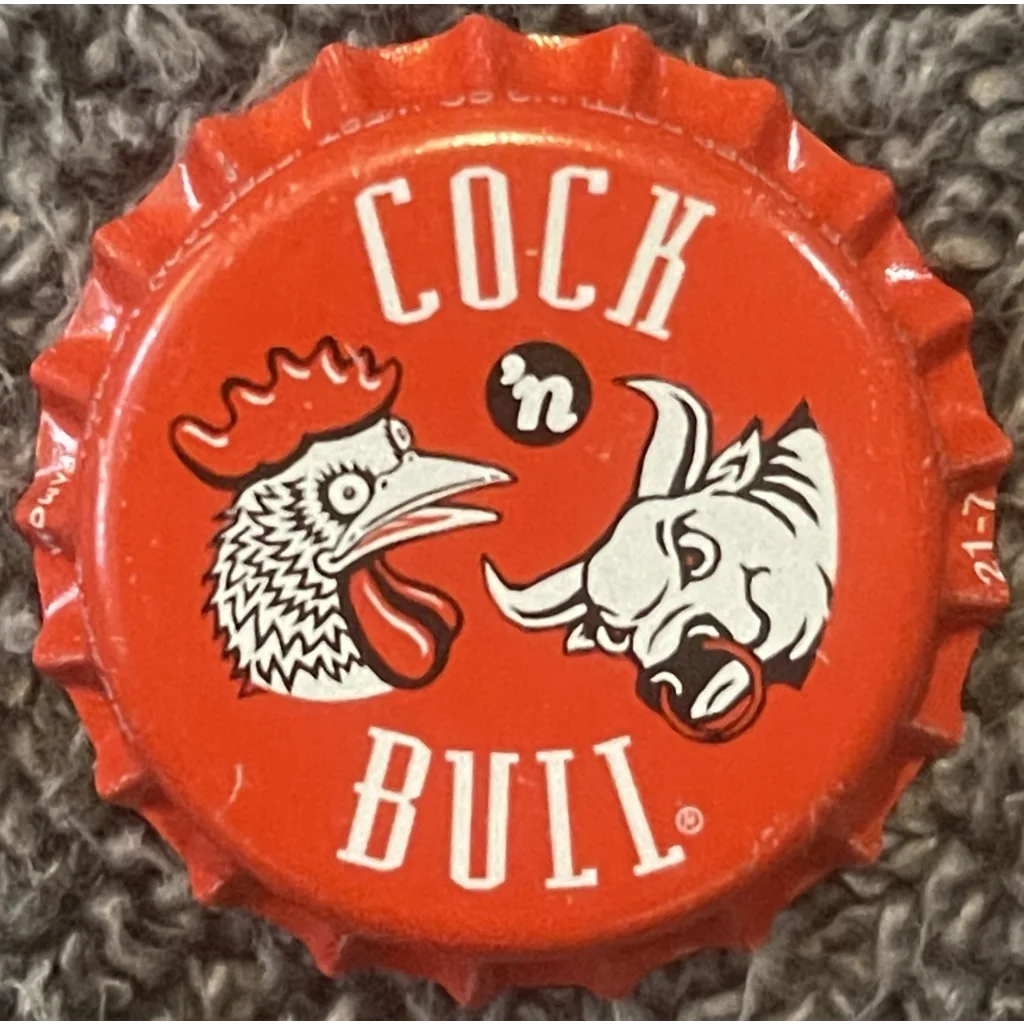
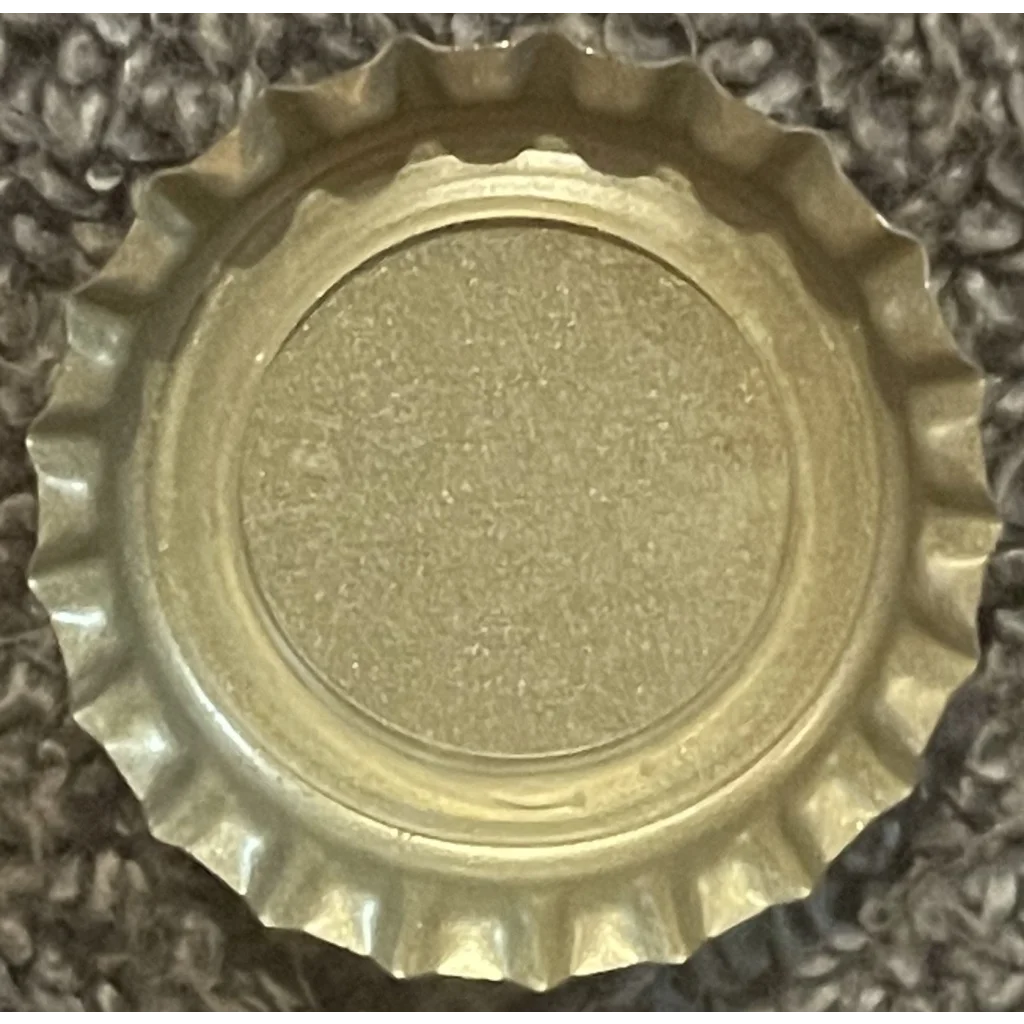
This is a Cock 'n Bull bottle cap, lithographed in metal with crisp four-color printing — red-orange, white, black, and gold — and stamped with the brand's name spelled out in bold serif capitals: "COCK 'n BULL." The rooster's comb and wattle are rendered in warm red against his white-and-black feathered head, beak thrown open mid-crow, while the bull faces him from the opposite side with a pair of curved horns and his own tongue lolling out in matching bravado — a little black circlet reading "'n" sits neatly between them, doing double duty as punctuation and as a referee's whistle in the middle of the standoff. The lettering "COCK" arcs across the top of the crown and "BULL" anchors the bottom, so the whole design reads like a boxing-match poster shrunk down to fit inside a bottle cap's crimped edge. Based on the sharpness of the registration, the clean vector-style rendering of the mascots, and the modern gold-toned lining inside the crown, this cap dates to the 1990s into the early 2000s — the era when Cock 'n Bull's ginger beer and specialty sodas were being bottled and shipped as a retail product rather than mixed up behind a single restaurant bar. This example comes to you as new old stock — never used to seal a bottle, never popped off with an opener, simply set aside and preserved as a small piece of soda advertising history.


🥃 The Cocktail That Was Born to Clean Out a Basement

Here's where the story gets good. Cock 'n Bull didn't start as a soda company at all — it started as a restaurant. On Hollywood's Sunset Strip, at 9170 Sunset Boulevard, a Englishman-styled pub called the Cock 'n Bull Restaurant became one of the most storied watering holes in Los Angeles, and its owner, Jack Morgan, had a problem that turned into an opportunity. Ginger beer — the real, spicy, old-world kind — was next to impossible to find in America at the time, so Morgan simply started making his own in-house. According to the restaurant's own bartender, Wes Price, business was so good that by the time the decade was out they'd filled the storeroom with cases of the stuff, more ginger beer than the bar itself could ever pour.

Around that same moment, a Heublein spirits executive named John G. Martin — the man who owned the rights to Smirnoff vodka in America — had a problem of his own: nobody in the country wanted to drink vodka. Americans were a whiskey-and-gin crowd, and vodka was sitting on shelves unsold. Sit two men down at a bar with two dead-stock products between them, and you get exactly what happened next. Jack Morgan, John G. Martin, and a third man, Rudolph Kunett, worked out a combination behind the Cock 'n Bull's own bar — Morgan's ginger beer, Martin's vodka, a wedge of lime, poured over ice into a little copper mug. They called it the Moscow Mule, and it is now recognized as one of the true foundational cocktails of American bar culture, credited by historians close to Heublein itself as having been concocted right there at the Cock 'n Bull in 1940.

The bartender who actually mixed it, Wes Price, told a version of the story with a lot less romance and a lot more honesty — from where he stood, they weren't chasing greatness, they were just trying to get rid of a lot of dead stock crowding up the basement. That's the kind of detail that makes bar history feel real: a legendary cocktail born not out of high concept but out of a practical bartender trying to clear shelf space. However it happened, it worked. Before the Moscow Mule, vodka accounted for less than one percent of the spirits Americans drank. Heublein itself has pointed to the sudden popularity of that copper-mugged drink as the spark that changed vodka's fortunes in this country for good — and there's real evidence to back the claim up. Even now, historians note there are conflicting versions of exactly how and when the drink came together, which only adds to its legend; nobody quite agrees on every detail, but everyone agrees it happened at the Cock 'n Bull.


🌆 A Landmark on the Strip

The Cock 'n Bull Restaurant wasn't just a bar with a good story — it was a genuine fixture of Hollywood nightlife for decades, the kind of place where the town's biggest names came to unwind. Its regulars ranged from actor Jack Webb, the no-nonsense voice of Dragnet, to British stage-and-screen legend Richard Burton, all the way through to rock-and-roll royalty like Jim Morrison of the Doors and Rod Stewart. Picture that room for a second: a British-style pub dropped into the middle of the Sunset Strip, copper mugs sweating with ice, a house-brewed ginger beer nobody else in America could get their hands on, and a clientele that spanned old Hollywood glamour straight through to the rock stars of the counterculture era. It's rare for a single address to bridge that many eras of American celebrity culture, and rarer still for that address to also be the literal birthplace of a cocktail still ordered by name in bars from coast to coast.

Local legend along the Strip holds that the restaurant's ginger beer was strong enough — sharp, peppery, genuinely spiced rather than sweet — that regulars would ask for it straight, no vodka needed, just to cut through a long night out. Whether or not every version of that story is word-for-word accurate, it captures something true about the brand: this wasn't a soft, generic soda. It had bite. That's part of why bottlers eventually saw the appeal in taking Cock 'n Bull's ginger beer out of the restaurant's own storeroom and putting it into general circulation, so drinkers who'd fallen in love with it on the Strip could find a bottle at their local market instead.


🏭 From a Restaurant's Storeroom to Store Shelves

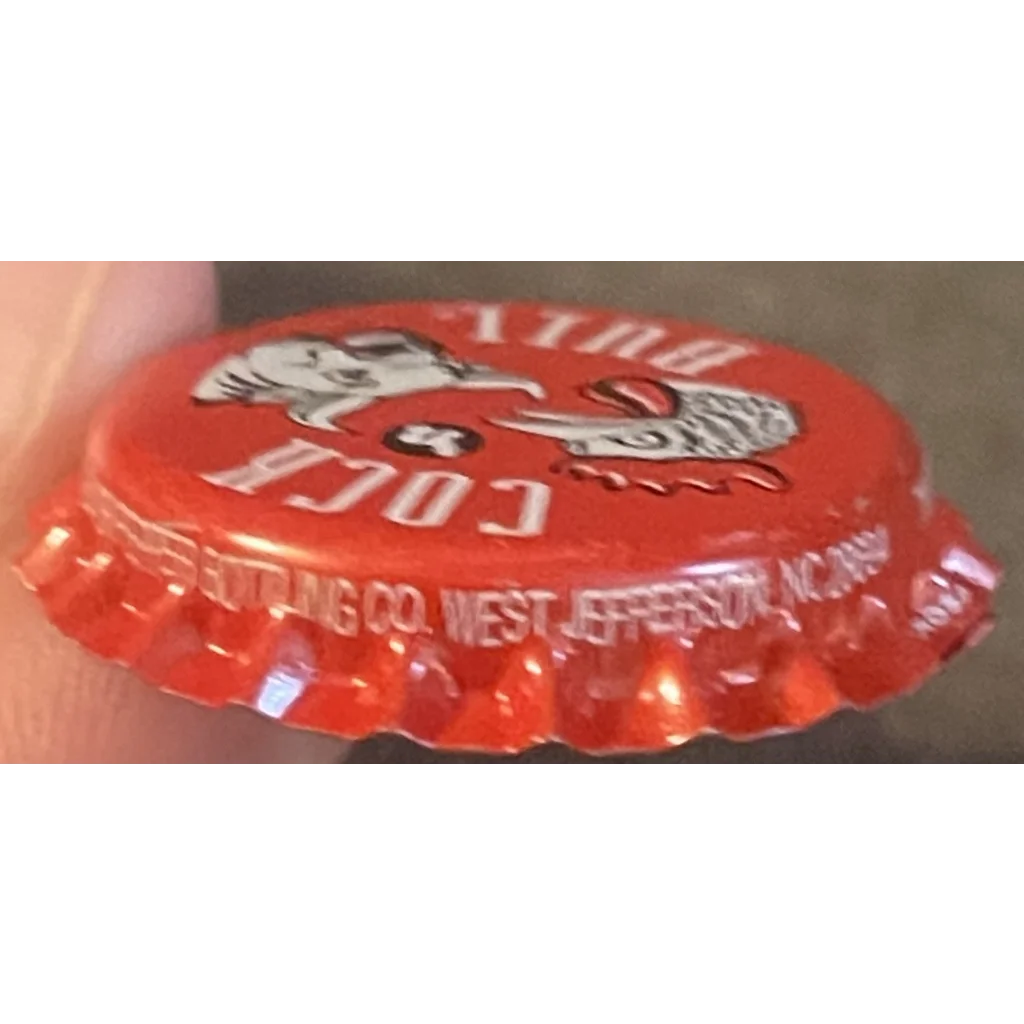
What makes a bottle cap like this one so interesting is that it represents the second act of the Cock 'n Bull story — the transition from a single Hollywood restaurant's house recipe to a bottled, branded soda sold well beyond the Strip. That shift meant new packaging, new bottling runs, and crowns like this one stamped out by the thousands to seal bottles bound for shelves far from where the whole thing started. Collectors of soda memorabilia have long traced surviving hoards of Cock 'n Bull caps to a bottling-plant find out of Jefferson, North Carolina — the kind of warehouse-cache story that circulates quietly through collector circles, passed along from one seller to the next even after the paper trail behind it fades. Stories like that are part of what gives advertising ephemera its texture — a cap doesn't just tell you what it sealed, it hints at the whole distribution chain that got it from a bottling line to somebody's basement stash decades later.

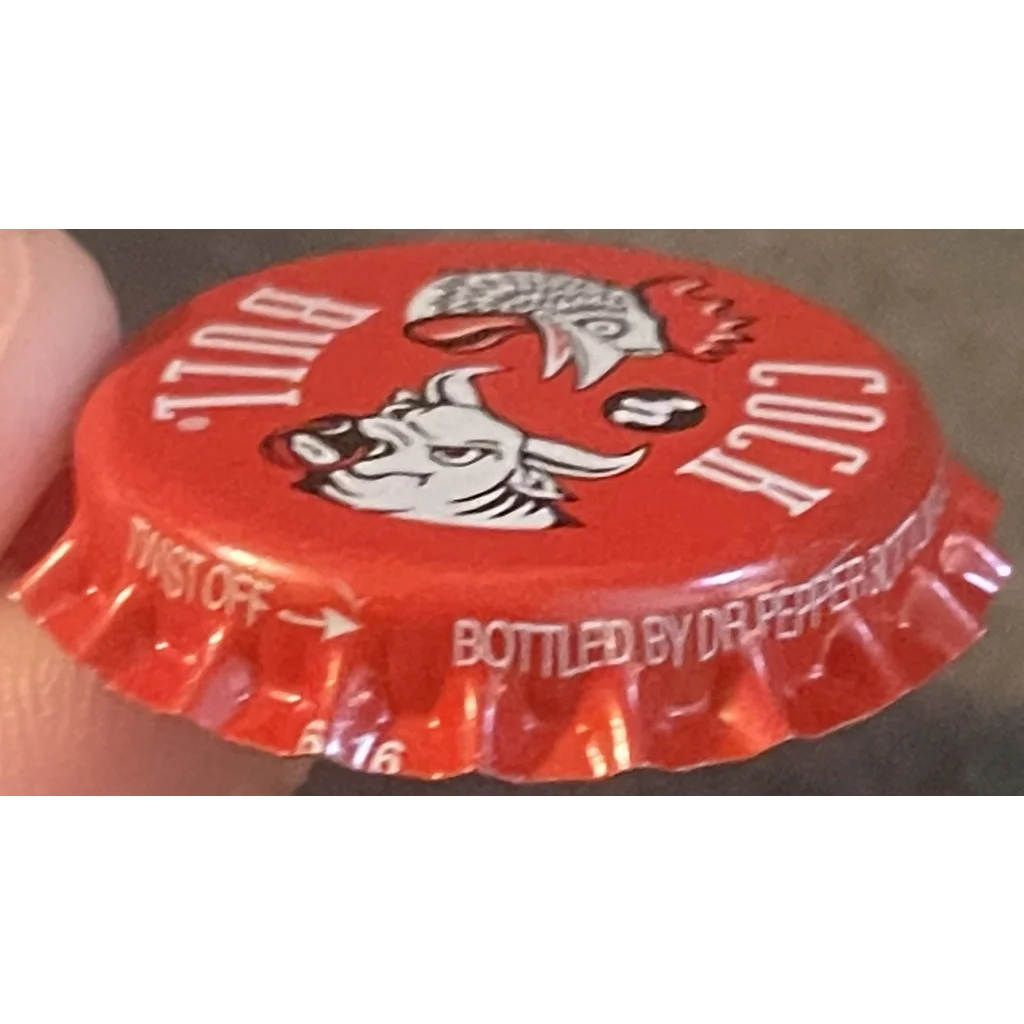
You'll also notice a small date and lot code stamped discreetly along the rim of caps like this one — an ordinary bit of bottler's bookkeeping, the kind of quiet production mark that shows up on soda and beer crowns of every era, letting a plant track which batch and run a given crown came from. It's a small detail, but it's the kind of thing a careful collector likes to see — proof that this was a genuine production piece, made to do a job on a real bottling line, not a novelty struck up for the collector's market after the fact.


🍹 Why the Moscow Mule Still Matters

Cocktail culture runs in cycles, but the Moscow Mule has had remarkable staying power. Ask any bartender working a craft cocktail program today and they'll know the drink by name and by mug — that squat, hammered copper cup has become genuinely iconic in its own right, showing up behind bars, in home bar carts, and in kitchen cabinets of people who've never mixed a cocktail in their life but love the look of the thing. Every time someone orders a Moscow Mule, they're invoking, whether they know it or not, that basement full of unsold vodka and dead-stock ginger beer at a Hollywood restaurant on the Sunset Strip. It's a rare case of a bar napkin story becoming permanent American drinking culture — right alongside the martini and the Manhattan, the Mule holds its place as one of the handful of cocktails everybody's heard of.

For collectors, that cultural staying power is exactly what gives a small piece like this bottle cap its outsized appeal. It's not just soda memorabilia — it's a tangible artifact connected to the actual origin story of one of the most ordered cocktails in the country. You can hold the Moscow Mule's whole backstory in the palm of your hand.


🖼️ Display Ideas

  • 🍹 Set it beside a copper mug on a home bar cart, letting the Moscow Mule story tell itself to guests
  • 🐓 Group it with other rooster-and-farmhouse-themed advertising pieces for a kitchen gallery wall
  • 🗂️ Slide it into a shadow box alongside other soda and ginger beer crowns for a proper bottle cap collection
  • 🎬 Pair it with Sunset Strip or old Hollywood memorabilia for a themed bar or man-cave display
  • 🍋 Frame it near a lime and copper-toned bar setup as a nod to the cocktail it helped inspire
  • 🎁 Wrap it up for the cocktail enthusiast or home bartender who already owns the mug but not the history

🎁 Who Collects These

This one draws a genuinely wide crowd. Soda and breweriana collectors chase Cock 'n Bull caps for the bold, confident graphic design — that rooster-and-bull standoff is instantly recognizable and holds up beautifully in a display case next to other advertising crowns of the era. Cocktail historians and serious home bartenders collect anything tied to the Moscow Mule's origin story, and a bottle cap bearing the actual brand name from the actual restaurant is about as close as you can get to that history without owning the restaurant's bar itself. Rooster-themed kitchen and farmhouse decor collectors love the artwork on its own merits, cocktail bar and lounge decorators use pieces like this to anchor a whole vintage bar theme, and old Hollywood and Sunset Strip memorabilia collectors add it to collections built around the city's golden-era nightlife. It's the rare crossover piece — equally at home in a soda cap album, a cocktail bar's wall art, or a Hollywood history collection.


❓ FAQ

What brand is this bottle cap from?

It's from Cock 'n Bull, the ginger beer and premium soda brand connected to the historic Cock 'n Bull Restaurant on Hollywood's Sunset Strip.

What does the rooster-and-bull artwork represent?

It's a playful visual pun on the brand's name — a rooster ("cock") and a bull facing off nose to nose, mouths open, in a lighthearted standoff that anchors the design on every cap of this issue.

Is this cap connected to the Moscow Mule cocktail?

Yes — the Cock 'n Bull Restaurant is the documented birthplace of the Moscow Mule, the vodka-and-ginger-beer cocktail served in a copper mug, credited with helping introduce vodka to American drinkers in the 1940s.

What era is this bottle cap from?

Based on its printing style, sharp registration, and modern crown lining, this cap dates to the 1990s into the early 2000s, the era when Cock 'n Bull ginger beer was being bottled for retail distribution.

Is this new old stock?

Yes — this cap is new old stock, never applied to a bottle, preserved as a piece of soda advertising history.

Where was the original Cock 'n Bull located?

On the Sunset Strip in the Hollywood/West Hollywood area of Los Angeles, a restaurant whose regulars over the years included Jack Webb, Richard Burton, Jim Morrison, and Rod Stewart.

Why do collectors specifically seek out Cock 'n Bull caps?

Between the bold graphic design and the genuine tie to the Moscow Mule's origin story, this brand sits at the crossroads of soda memorabilia, cocktail history, and old Hollywood nostalgia — a rare combination that keeps demand strong across several different collecting communities.

Shipping

🚚 Shipping & Handling

  • Shipping costs and timing are calculated at checkout.
  • Items curated and shipped directly by me include U.S. shipping at no additional cost, professionally packed to ensure safe arrival of your artifact.

Items from Vetted Pro Collectors
Shipping for items offered by vetted Pro Collectors is determined at checkout. All Pro Collector listings are reviewed to ensure fair, reasonable shipping practices.

For full details, please refer to our Shipping Policy.

Returns & Exchange

Product Page Return Policy

  • 60-Day Returns – Items must be in original condition.
  • Refunds – Issued after inspection (excluding shipping costs).
  • Return Shipping – Customer is responsible unless item is damaged or incorrect.
  • Damaged/Incorrect Items – Contact us within 48 hours for a replacement or refund.
  • Easy Returns – Email [email protected] or call 802-356-9872 to initiate a return.

For full details, visit our Refund Policy.

View full details