


Collectible Vintage Pins Celebrating 80s and 90s Nostalgia
Overview
Vintage collectible pins evoke nostalgia and cherished memories from the 80s and 90s. This article highlights standout items like the Looney Tunes Pinball Game, California Raisins Tin Pin, TMNT Splinter Pin, and Ronald McDonald Puffy Stickers, each representing beloved cultural icons. Collectors should consider factors like condition, authenticity, and personal connection when selecting vintage memorabilia.
Frequently Asked Questions
1. What are collectible vintage pins?
2. What is the significance of the Looney Tunes Pinball Game?
3. What makes the California Raisin Tin Pin a unique collectible?
4. Why is the TMNT Splinter Movie Pin valuable to collectors?
5. How can one find the perfect vintage pin for their collection?
For many, collectible vintage pins are more than just decorative items; they are tangible pieces of the past that evoke cherished memories and familiar faces. From beloved cartoon characters to iconic advertisements, these small tokens can transport us back to simpler times filled with laughter and joy. In this article, we will explore several standout vintage pins that capture the essence of the 80s and 90s, each with its unique charm and nostalgic appeal.
Reliving the Cartoon Magic with the Looney Tunes Pinball Game
Kicking off our nostalgic journey is the Blast from the Past Looney Tunes Pinball Game 1997. This classic tabletop game is not just a fun diversion; it encapsulates the excitement of Saturday morning cartoons, featuring beloved characters such as Roadrunner, Wile E. Coyote, and Yosemite Sam. Released in 1997, this pinball game invites players to engage with the antics of their favorite Looney Tunes characters in a whirlwind of colorful art and comical mischief.
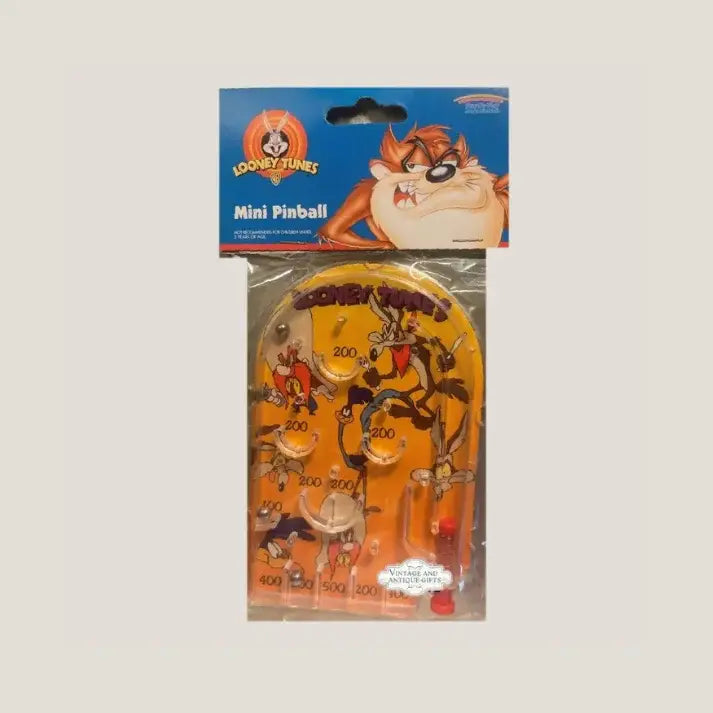
Imagine launching the silver ball and watching as it ricochets off bumpers adorned with classic Looney Tunes artwork! Each play session is a delightful reminder of the carefree days spent engrossed in animated adventures. It's not just a game; it’s a delightful trip down memory lane, a perfect addition for collectors and fans alike.
Funky Memories with California Raisins
Next on our list is the Nostalgic 80s Vocal Solo California Raisin Tin Pin Collectible. This unique piece of 1980s memorabilia brings back memories of the lovable California Raisins, who became cultural icons with their catchy tunes and charming personalities. Measuring 1 1/2 inches, this tin pin features a vibrant design that celebrates the musical misfits of the era.

The California Raisins were more than just animated characters; they embodied the spirit of the 80s with their fun, funky charm. This pin serves as a delightful reminder of their musical legacy and the playful vibe of an era that embraced creativity and quirkiness. For collectors, it’s an ideal item to showcase in a display or to wear as a badge of honor in celebrating this unique cultural phenomenon.
The Ninja Turtles' Wise Mentor
For fans of animated action, the Rare 90s Vintage Teenage Mutant Ninja Turtles Splinter Movie Pin is a must-have. Released in 1990 alongside the iconic Teenage Mutant Ninja Turtles film, this pin features Splinter, the wise rat sensei who guided the Turtles through countless adventures.
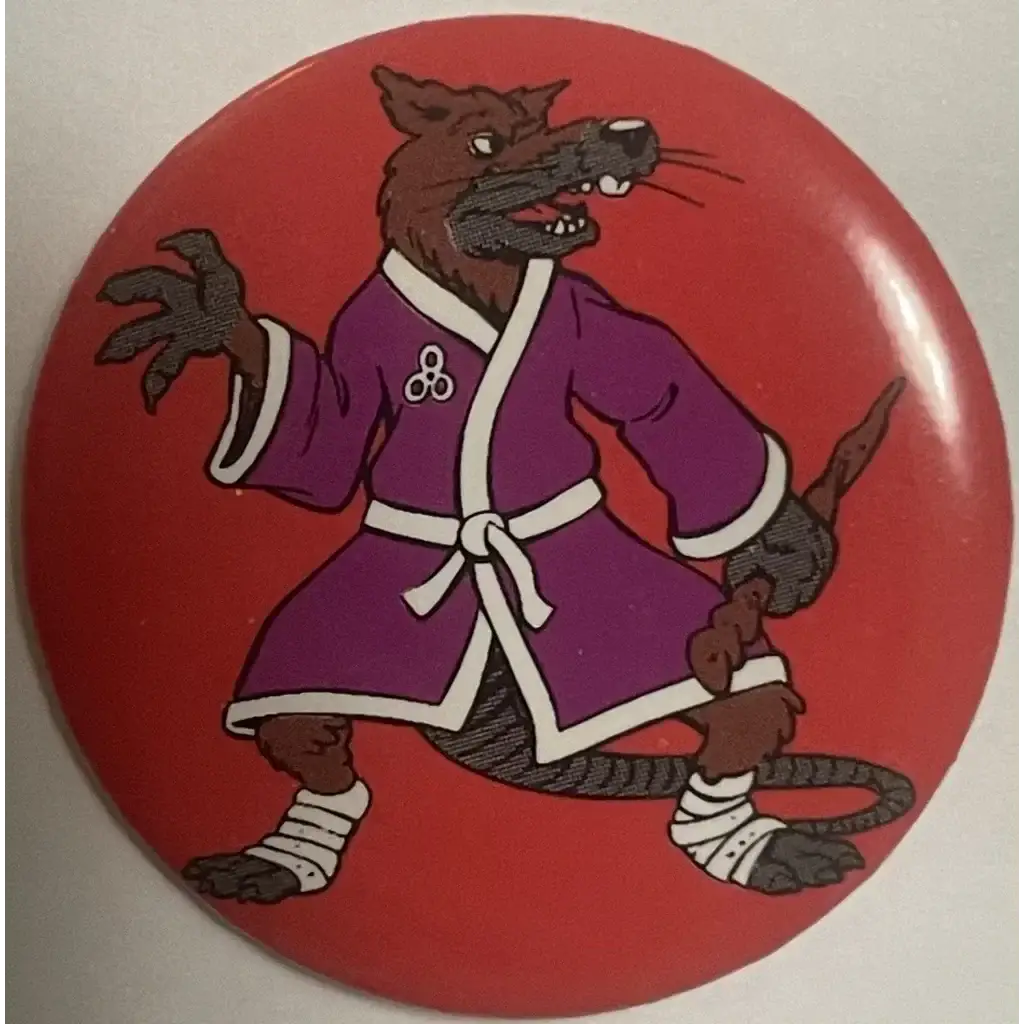
Measuring 1 1/2 inches, this collectible pin is perfect for displaying on jackets, bags, or within a TMNT collection. It stands as a testament to the enduring popularity of the Teenage Mutant Ninja Turtles franchise, which has captured the hearts of fans for decades. Owning this pin is not merely about nostalgia; it’s a way to connect with a beloved part of childhood that shaped many of us in the 90s.
A Touch of Fast-Food Nostalgia with Ronald McDonald
Lastly, we have the charming Rare Ronald McDonald Puffy Stickers Nostalgic Antique Gift. Measuring 2 x 2 inches, these puffy stickers showcase Ronald McDonald alongside his sidekick, Grimace, bringing back memories of McDonaldland and the joyful experiences of fast-food family outings.
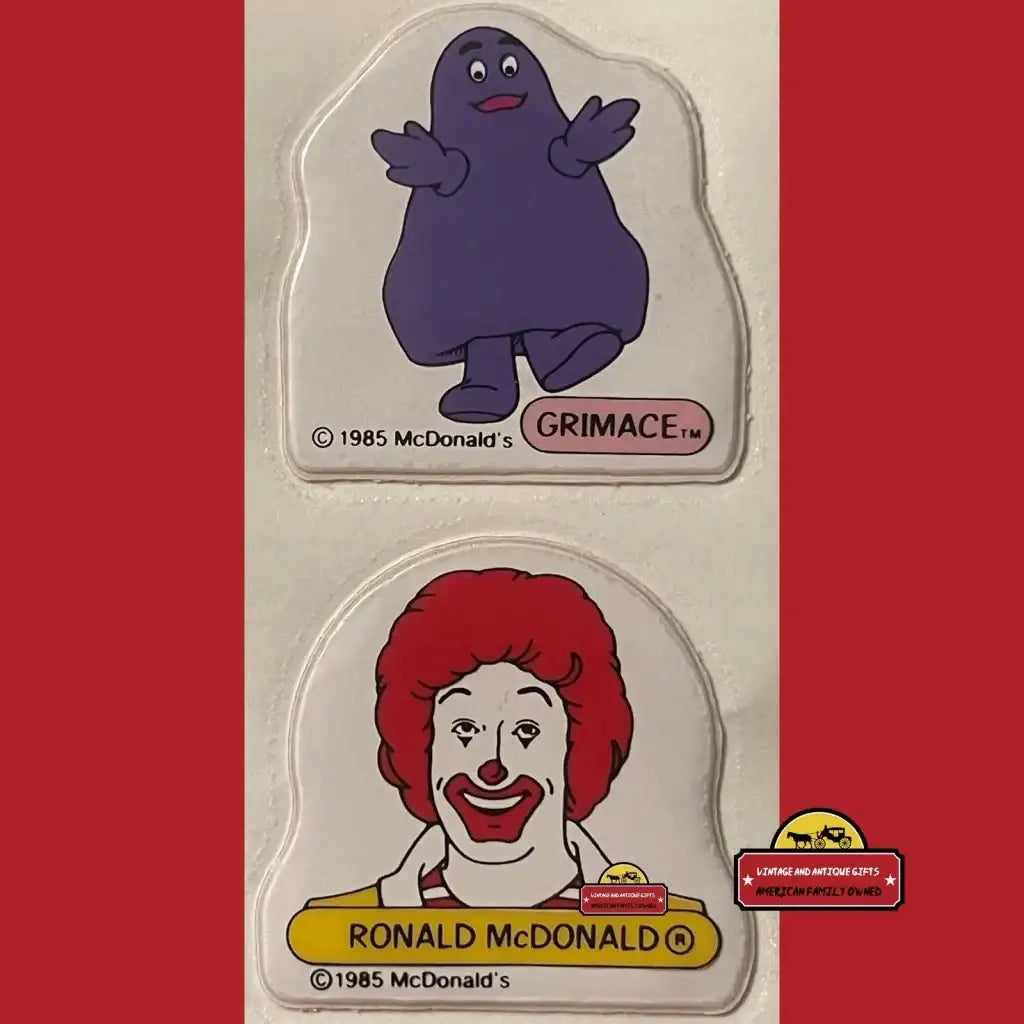
These stickers are not just collectibles; they are conversation starters that spark joy and reminiscence about childhood memories spent at McDonald's, indulging in Happy Meals and enjoying the vibrant atmosphere. The nostalgia tied to these characters is powerful, making them a treasured addition for anyone who remembers the excitement surrounding McDonald's in the 80s.
Finding the Perfect Vintage Pin for You
Whether you're a seasoned collector or just starting your journey into the world of vintage memorabilia, there are a few key factors to consider when selecting the right piece for your collection:
- Condition: Always check the condition of the pin or collectible. Look for any signs of wear, scratches, or fading that may affect its overall appeal.
- Authenticity: Verify the authenticity of the item. Collectors often seek original pieces, so be cautious of reproductions.
- Personal Connection: Choose items that resonate with you personally. Whether it’s a favorite childhood show or a beloved character, having a personal connection makes the collectible even more special.
- Display Options: Consider how you plan to display your vintage pins. Some collectors prefer shadow boxes or display boards, while others may wear them as fashionable accessories.
- Market Value: Research the market value of the items you're interested in to ensure you're making a sound investment.
In conclusion, vintage pins are not only collectibles; they serve as cherished mementos that allow us to relive the magic of our childhoods. The Looney Tunes Pinball Game, California Raisins Tin Pin, TMNT Splinter Pin, and Ronald McDonald Puffy Stickers each offer a unique window into the past, allowing us to celebrate the characters and moments that shaped our childhoods. As you explore these vintage treasures, you not only preserve memories but also connect with a community of fellow nostalgia enthusiasts.
