


Discover Exquisite Vintage Cigar Labels with Embossed Artistry
Overview
Vintage cigar labels from the early 1900s to the 1920s showcase intricate craftsmanship and artistic expression, serving as both branding masterpieces and collectibles. The article highlights standout examples, including the Rare Antique Vintage Cigar Label, Manila Blunts label, and others, while offering tips for collectors on research, authenticity, and preservation.
Frequently Asked Questions
1. What are antique cigar labels?
2. What makes embossed cigar labels special?
3. Where can I find vintage cigar labels for my collection?
4. What should I look for when buying vintage cigar labels?
5. How can I display my vintage cigar labels?
For collectors and enthusiasts of vintage memorabilia, few items hold the charm and artistry of antique cigar labels. These treasures not only encapsulate the rich history of tobacco but also showcase incredible craftsmanship through their intricate embossed designs. From the early 1900s to the 1920s, these labels served as both branding masterpieces and artistic expressions of their time. In this article, we’ll explore some remarkable examples of vintage cigar labels that exemplify this artistry, offering insights into their significance and appeal.
Intricate Craftsmanship: The Allure of Embossed Labels
The world of cigar labels is a fascinating intersection of art and commerce. During the golden age of cigars, these labels were more than mere packaging; they represented the luxury and sophistication of a lifestyle. With their vibrant colors and meticulous detailing, embossed cigar labels communicate stories of the artisans who poured their skills into creating these remarkable pieces. Each label serves as a portal to the past, inviting collectors to appreciate the devotion and attention to detail that went into their design and production.
Let’s take a closer look at some standout examples that illustrate the beauty and historical significance of vintage cigar labels.
Rare Antique Vintage Cigar Label Showcases Intricate Embossed Design
One of the standout pieces in the world of vintage cigar labels is the Rare Antique Vintage Cigar Label Showcases Intricate Embossed Design. This exquisite label dates back to the early 1900s and features an impressive blend of craftsmanship and artistry that captivates viewers. With a vibrant orange-yellow background, the label is adorned with a mesmerizing font that captures the essence of its era.
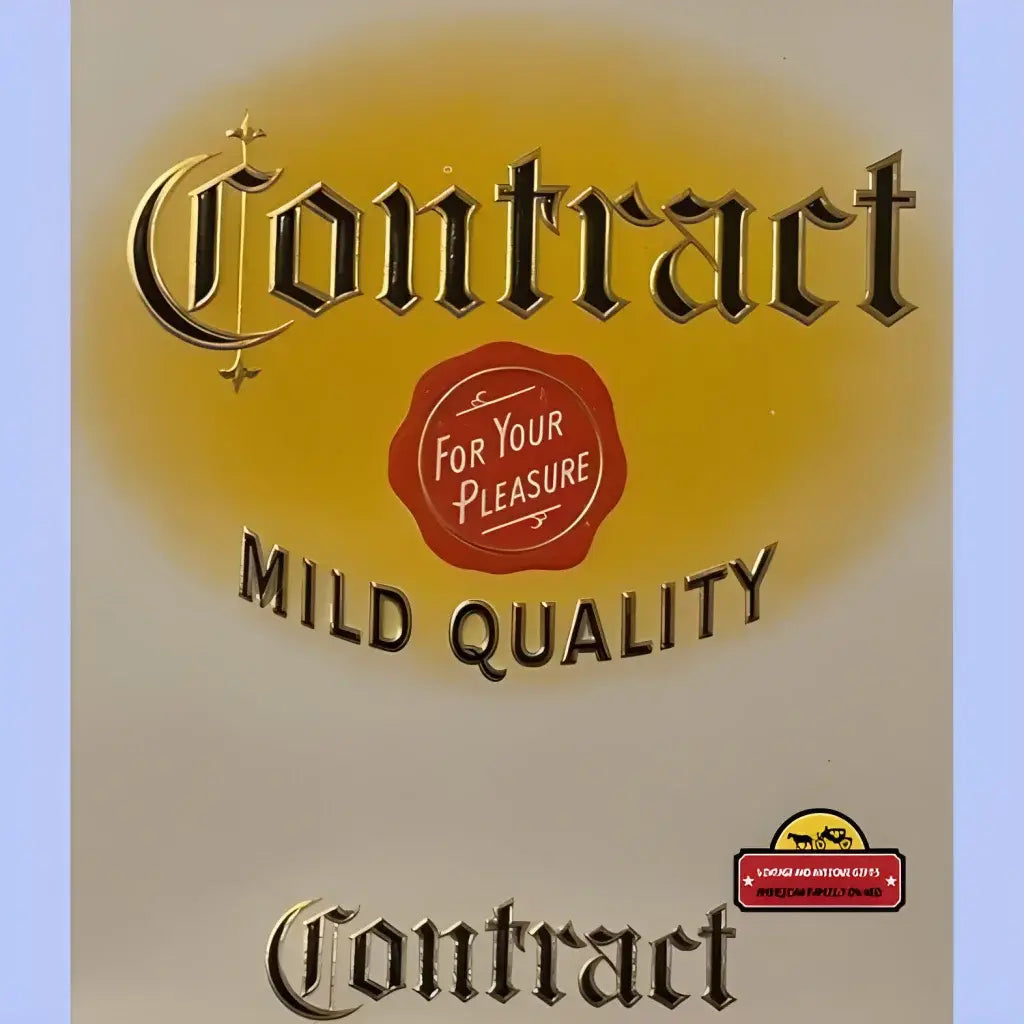
Measuring 8" x 7", this label is not just a decorative piece but a testament to the luxury and refinement that characterized its time. Imagine the conversations and stories it could inspire, as you display it in your collection or home. This label embodies a nostalgic charm that is sure to appeal to any lover of history or vintage aesthetics.
Celebrating Manila Tobacco: The Rare Embossed Manila Blunts Antique Vintage Cigar Label
Next, we delve into the realm of Manila tobacco with the Rare Embossed Manila Blunts Antique Vintage Cigar Label. This impressive 11 1/2 x 7 1/4-inch label is a tribute to the Manila Blunts brand, which thrived during the same golden era. The label’s embossing showcases exquisite detail that brings the design to life, making it a tactile experience as well as a visual delight.
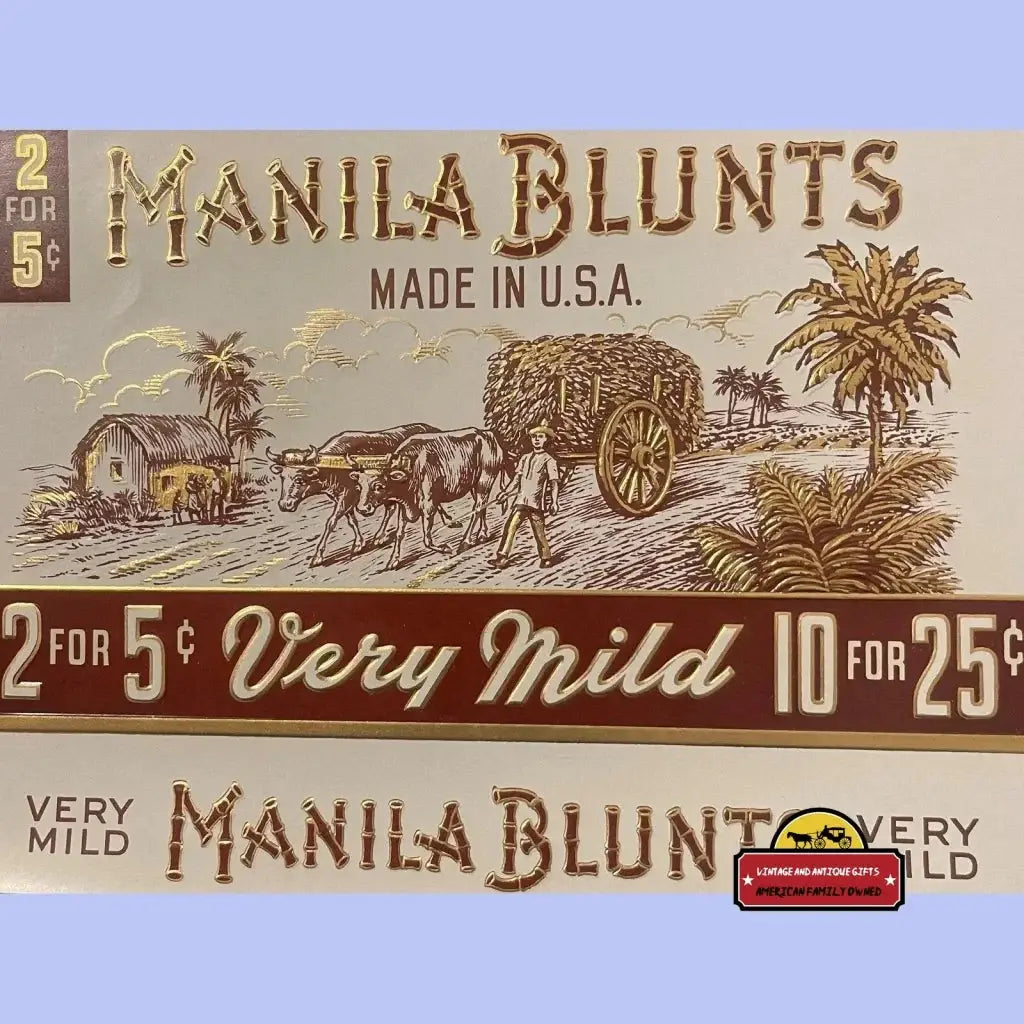
The Manila Blunts label not only captures the luxury and sophistication of its time but also reflects the cultural significance of tobacco branding. As Manila Tobacco once rivaled even the legendary Cuban tobacco, this label embodies both the artistry and history of a bygone era. Its presence in any collection is a statement piece that resonates with the opulence of the roaring twenties.
A Touch of Americana: The Rare Antique Vintage Cigar Label From Red Lion, PA
Another noteworthy example is the Rare Antique Vintage Cigar Label From Red Lion, PA. This label is not just a collectible; it is a slice of Americana, showcasing the vibrant history of tobacco manufacturing in Pennsylvania. Measuring 7 3/4" x 7 1/4", this embossed label features intricate details and vibrant colors that bring its historical context to life.
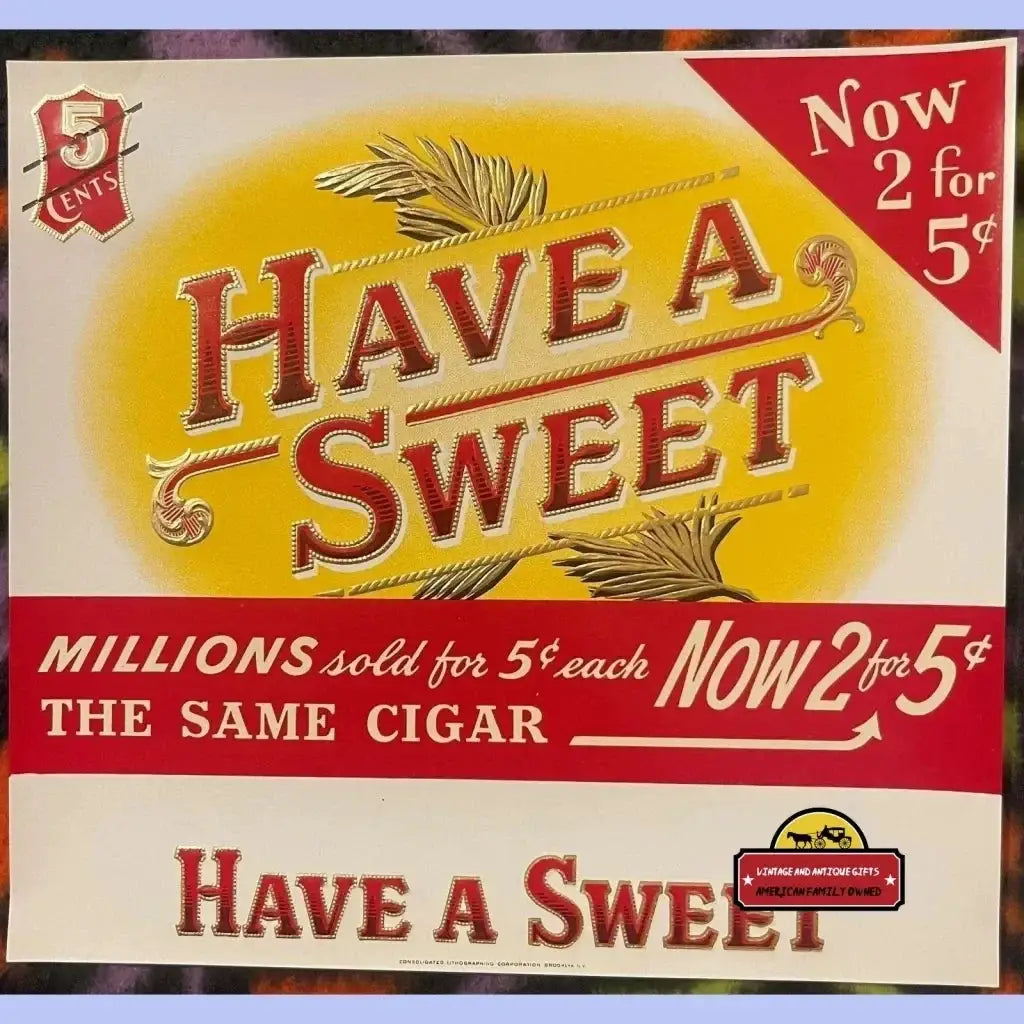
This label is a testament to Red Lion, PA's legacy as a tobacco powerhouse, where cigar manufacturing flourished in the early 20th century. The intricate craftsmanship reflects the importance of this industry to the local economy and culture. With its historical significance and artistic value, this label is an essential addition for collectors eager to celebrate the rich heritage of cigar production.
Artistry in Advertising: The Rare Antique La Vera Cigar Label
Last but not least, we have the Rare Antique La Vera Cigar Label. This collectible from the early 1900s stands out with its eye-catching design and masterful embossing. Measuring 5 1/4" x 2 3/4", this label offers a compact yet impactful representation of vintage advertising art.
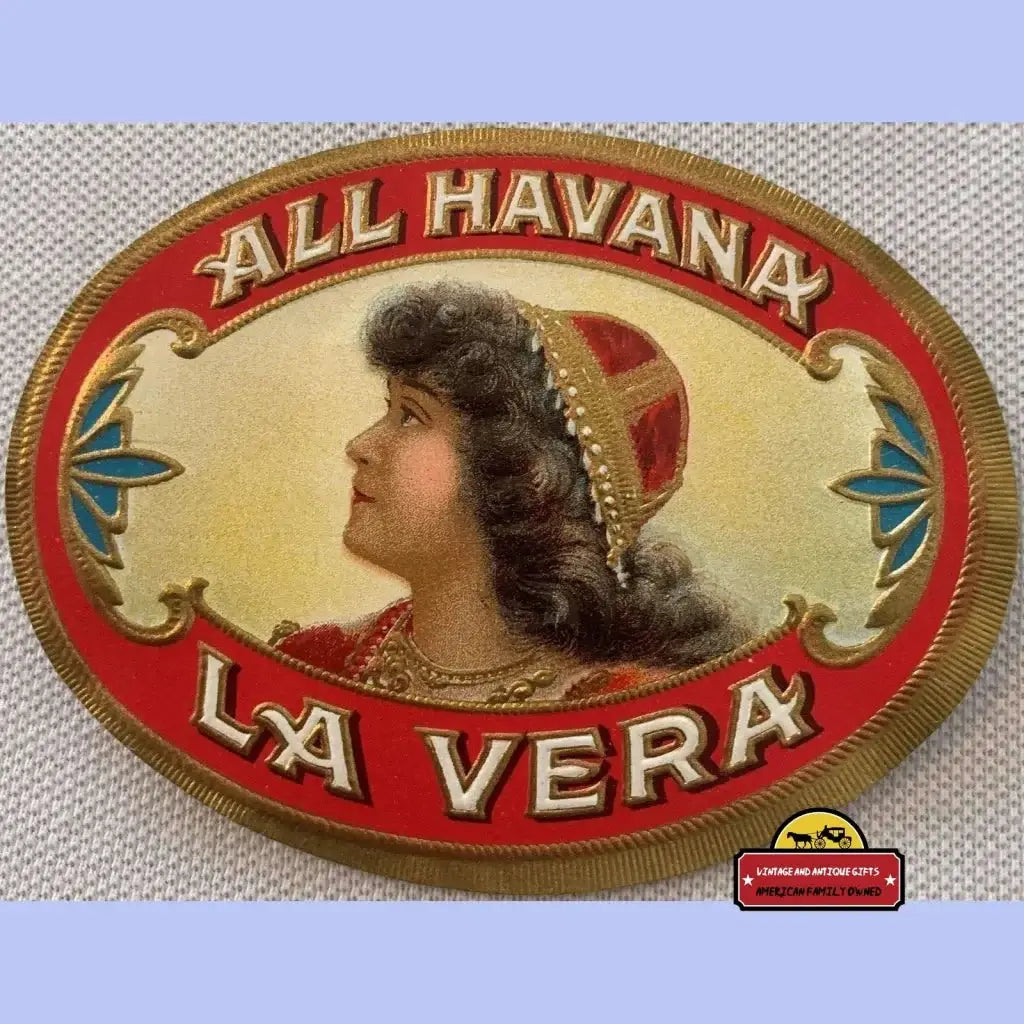
The La Vera cigar label is a visual treat, with its vibrant colors and exquisite detailing. It encapsulates the pinnacle of artistic advertising from the time, making it not just a collectible but a conversation piece for any space. The elegance of its design reflects the quality and craftsmanship associated with the cigars it once adorned, serving as a nostalgic reminder of a refined era.
Buying Guide: Tips for Collecting Vintage Cigar Labels
As you embark on your journey into the world of vintage cigar labels, consider the following tips to enhance your collecting experience:
- Research the Market: Familiarize yourself with the history of cigar labels and their significance. Understanding the context can add depth to your collection.
- Check for Authenticity: Ensure that the labels you are purchasing are genuine antiques. Look for signs of age, such as yellowing paper and authentic embossing.
- Condition Matters: The condition of the label significantly impacts its value. Look for labels with minimal wear and damage for the best addition to your collection.
- Display with Care: Consider how you will display your labels. Framing them or using protective sleeves can help preserve their condition while showcasing their beauty.
- Network with Other Collectors: Join forums or local clubs of vintage collectors. Networking can lead to valuable knowledge and potential trades.
By taking these steps, you can build a remarkable collection that not only showcases beautiful artistry but also tells a rich story of the sublime craftsmanship behind each label. Whether you are drawn to the intricate embossing, the vibrant colors, or the historical significance, vintage cigar labels are a delightful way to celebrate a bygone era.
In conclusion, the artistry of vintage cigar labels is a captivating blend of history and craftsmanship that continues to charm collectors and enthusiasts alike. The pieces we've explored, such as the Rare Antique Vintage Cigar Label Showcases Intricate Embossed Design, Rare Embossed Manila Blunts Antique Vintage Cigar Label, Rare Antique Vintage Cigar Label From Red Lion, PA, and Rare Antique La Vera Cigar Label, offer a glimpse into the elegance and artistry of a bygone time. As you explore the world of vintage cigar labels, let their stories inspire your collection and ignite your passion for history and art.
Visit one of our fellow Shopify or Wix users' stores by clicking this store link. Please note that this is a promotional link, and we are not responsible for the content of the linked store.
