Skip to product information
1 of 4

Vintage and Antique Gifts

Vintage 1960s Winter's Havana Specials Cigar Band Pair 🚬 J.C. Winter Co. Red Lion Pennsylvania, Set of Two Tobacciana Cigar Label, Golden Age

Vintage 1960s Winter's Havana Specials Cigar Band Pair 🚬 J.C. Winter Co. Red Lion Pennsylvania, Set of Two Tobacciana Cigar Label, Golden Age

Regular price $8.00 USD
Regular price Sale price $8.00 USD
Sale Sold out
Shipping calculated at checkout.

Size: 2 3/4" x 3/4"

🚚 Free US Shipping — ships within one business day. International shipping calculated at checkout.

Quantity

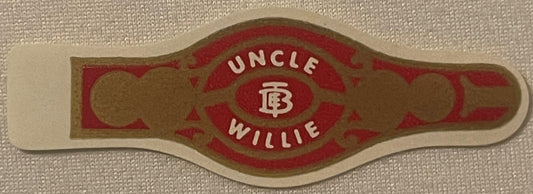
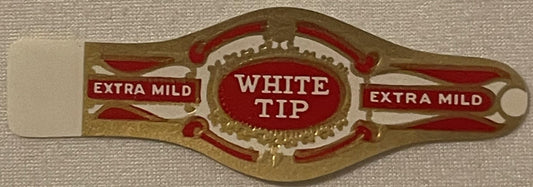
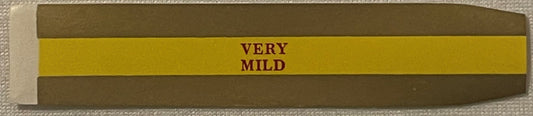
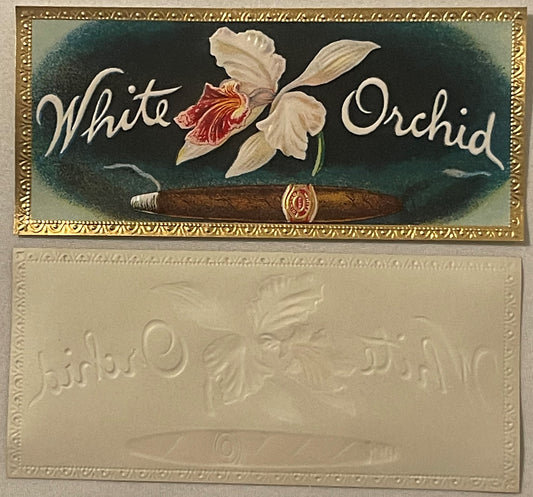
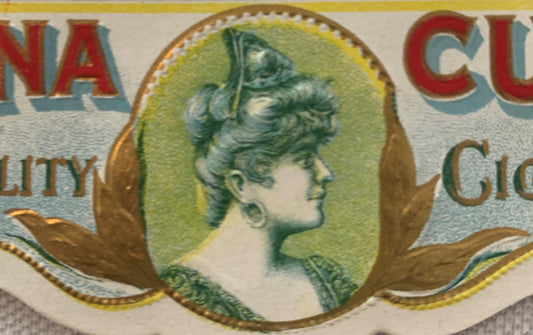
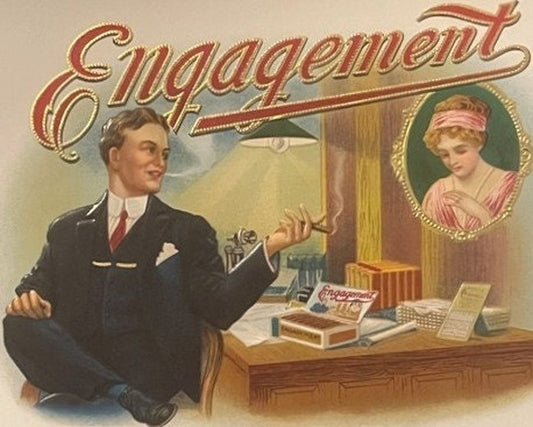
Remember Winter's Havana Specials Cigars? 🚬 Winter's Havana Specials Cigar Band

Size: 2 3/4" x 3/4" each ~ NOS unused stock, little to no storage wear.

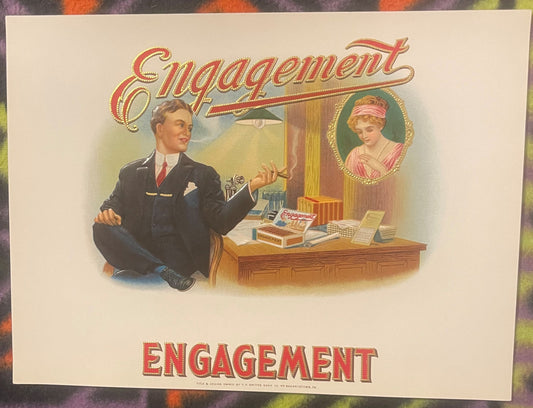
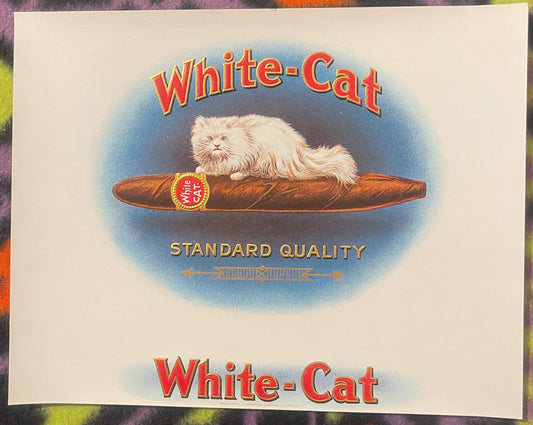
This listing is a pair - you get two of these Winter's Havana Specials bands.

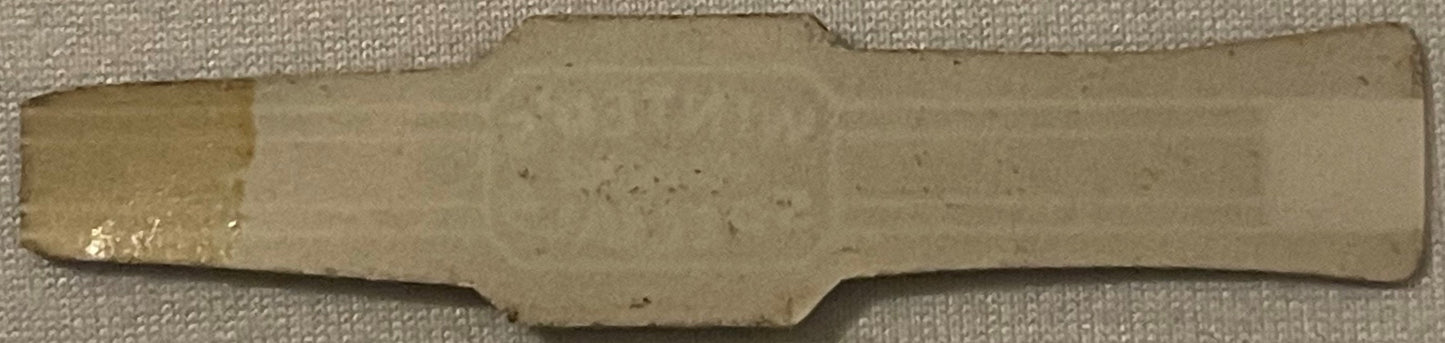
I love how sharp this little band is, and it has never been on a cigar: the glue tab at the end, where the roller dabbed on the paste, is still clean.

🏭 Who Made It: J. C. Winter & Co. of Red Lion

The name on the band belongs to J. C. Winter & Co. of Red Lion, Pennsylvania, a little borough in York County that built itself on cigars. At its height the town was turning out millions of cigars a month, about a tenth of all the cigars made in the United States. Short filler was the usual way in Red Lion: leaf shredded into bits about an inch long and a quarter inch wide, then rolled into the cigar. J. C. Winter was born in 1888 and started making cigars in Red Lion around 1910 or 1911, and by the end of the First World War his firm was running as many as 32 factories. Tony Hyman's National Cigar History Museum still has Winter at 32 Pennsylvania plants, big and small, in 1920, with O'San, Champagne and 50-50 among its many brands. It incorporated in 1929, with his sister Amelia C. Winter as treasurer, and the United States Tobacco Journal already counted it among the biggest houses in Red Lion back in 1925. In June 1949 Esquire ran a mail-order ad offering "J.C. Winter's Specials" at $3.00 for a box of 50, listed with its blended Havana domestics.

Red Lion's own 1930 Golden Jubilee souvenir book fills in the man. J. C. Winter was born on August 16, 1888, near Hanover Junction, and came to Red Lion in 1905. He rolled cigars himself to start, then went in with a partner, Titus A. Smith, under the J. C. Winter & Co. name. That partnership ended on January 1, 1925, and Winter kept right on growing. He had bought a plant on Pine Street around 1924, traded properties with T. E. Brooks & Co. in 1927, and built the Pine Street factory up to 150,000 cigars a day. The 1929 incorporation was a merger with the Laucks Tobacco Co., with $500,000 behind it. By 1930 the company also had factories in Windsor and Bittersville, controlled the output of shops in Martinsville and York, and was selling nickel cigars called El Wadora and Fifty-Fifty.

The company kept rolling for decades. Federal records show it training new cigar-machine operators in Red Lion in the 1940s and early 1950s, and wartime price orders list its San Alto, Tennyson and York Imperial cigars and its Happy Jim and Winters Clippings scrap chewing tobacco. It filed Happy Jim as a trademark in 1948 and Tennyson in 1961, and its sales company put the family name right out front with WINTER'S PENNSYLVANIA DUTCHMAN cigars in 1962 - the same "Winter's" you see on this band.

🏘️ A Town Built on Cigars, and the Word It Had to Drop

The numbers on Red Lion are something. In 1880 the town had exactly one cigar factory, with three or four people working in it. By the 1924 homecoming there were about 2,000 men and women in the factories, earning close to three million dollars a year between them and making more than 200 million cigars a year. By 1927 there were 109 cigar factories in town, and Red Lion was turning out a fifth of all the nickel cigars made in America. Whole families were in the trade. Kids stripped the stems out of the leaf at home and carried it back to the factory in the morning.

The 1930s were rough on Red Lion. A woman rolling by hand made about 600 cigars a day and a machine made 6,000, and every machine put eight or ten people out of work. In 1934 the Depression, the layoffs, the shut factories and the machines all boiled over into a strike and a small riot in the streets. Women lay down across a factory driveway so the trucks couldn't get in, the police came with billy sticks and tear gas, and there was talk of calling in the Pennsylvania National Guard.

And here's the twist in that one word on the band. The Federal Trade Commission had already had the firm agree, in 1935, to stop calling its filler "Havana" - and in the same agreement to quit calling machine-made cigars "Hand Made", calling the wrapper "Sumatra", and advertising a "5¢ Cigar Now 2 For 5¢". In 1938 the trade paper Tobacco World ran the headline "J. C. WINTER CO. IN 'HOT WATER'" over another hand-made label. Then came the Cuban embargo, and on August 3, 1964 the FTC issued a consent order naming the Winter company and its brand, "Winters Havana Special", and ordering it to stop putting the word Havana on cigars that weren't made entirely of Cuban tobacco.

The order named three phrases: "Havana Blunts", "Winters Havana Special" and "Blended with Havana". The officers it named were Amelia C. Winter, still with the company all those years later, and W. H. Matthews, along with the old G. W. Van Slyke & Horton, Inc., which the FTC called Winter's sales subsidiary. Winter wasn't alone, either. That same August a Philadelphia company, Regina Cigar, got the same kind of order over its "Havana Palmas" and "Clear Havanas", and in October a Tampa maker was told to drop its own "M & N Havana Specials".

A book two years later still listed "Winters Havana Specials" among the names cigar makers had been told to drop. That was Curt Gentry's The Vulnerable Americans in 1966, lining it up with HAVANA BLUNTS, HAVANA PALMAS, CLEAR HAVANAS and HABANA as names used to pretend the makers had gotten around the Cuban trade blockade. Esquire was selling Winter's Specials back in 1949, but the name with Havana in it only turns up in those embargo years, so this band belongs to the early 1960s, the last stretch before that word was ruled off its face.

The Van Slyke & Horton name hung on longer than any of them. It was on Red Lion's last cigar factory when that one finally closed in 2011.

🌴 What "Havana" Meant

The word Havana on a band pointed straight at Cuba, and that is where the cigar band was born. Cigar historians credit Gustave Bock, a Dutch-born cigar maker working in Cuba, with inventing it in the 1830s, when he had paper rings with his signature put on every cigar he shipped to Europe. Within twenty years almost every cigar exported from Havana wore a band.

Of course, there are better stories. Legend has it that Catherine the Great of Russia smoked her cigars wrapped in silk so they would not stain her fingers, and that her court started wrapping theirs to copy her. Another tale says bands were put on the cigars sent to England to keep the gentlemen's white gloves clean. I like them both.

📦 Two Billion a Year

By 1900 Americans were going through something like 2 billion cigar bands a year. They cost about 70 cents a thousand to print, which made them one of the cheapest ways for a cigar maker to build a brand. The printer shipped them precut in bundles of 100, and each one was put on by hand as one of the last steps in making the cigar. At least one maker even used its bands like trading stamps, with a whole catalog of prizes you could get for enough of them. From the 1920s on, cheap four-color printing and the rise of the cigarette cut the number of cigar makers way down, and bands got plainer.

Kids saved them, scrapbookers pasted them into collages, and collecting them has its own name now, vitolphilia, with its own club, the International Label, Seal and Cigar Band Society. The record belongs to an American collector named Joe Hruby, who made the Guinness Book of World Records with more than 165,000 different bands and had over 221,000 by 1999. And in Britain it was considered bad manners to leave the band on while you smoked, a bit like bragging about the brand.

It's a sharp little piece for a tobacciana collection, a frame of cigar bands, or anybody named Winter.

Shipping

🚚 Shipping & Handling

  • Shipping costs and timing are calculated at checkout.
  • Items curated and shipped directly by me include U.S. shipping at no additional cost, professionally packed to ensure safe arrival of your artifact.

Items from Vetted Pro Collectors
Shipping for items offered by vetted Pro Collectors is determined at checkout. All Pro Collector listings are reviewed to ensure fair, reasonable shipping practices.

For full details, please refer to our Shipping Policy.

Returns & Exchange

Take your time — you've got a full six months. If a piece isn't right for you, send it back the way it reached you and we're good.

In the first 30 days your money goes straight back the way you paid. After that it's store credit, so you can put it toward something you'd rather have.

Return shipping we sort out between us, case by case. I don't make this difficult.

If something arrives damaged, or it isn't what I said it was, send me a photo within 48 hours and I'll make it right.

Email info@vintageantiquesgifts.com or call 802-356-9872 — that's me answering, not a call center.

The only things I can't take back are custom or special-order pieces and gift cards.

View full details

Rescuing American History Since 2007

— Travis & the Kids