
Skip to product information
1 of 5

Vintage and Antique Gifts

Vintage 1940s Pike Smoking Tobacco Label ๐Ÿท๏ธ John Weisert Tobacco Co. St. Louis MO NOS Advertising Art

Vintage 1940s Pike Smoking Tobacco Label ๐Ÿท๏ธ John Weisert Tobacco Co. St. Louis MO NOS Advertising Art

Regular price $5.50 USD
Regular price Sale price $5.50 USD
Sale Sold out
Shipping calculated at checkout.

Size: 2 3/4" x 1 3/4"

๐Ÿšš Free US Shipping โ€” ships within one business day. International shipping calculated at checkout.

Quantity

Who Was the Last Tobacco Company in St. Louis? ๐Ÿท๏ธ Pike Smoking Tobacco Label, John Weisert Tobacco Co., St. Louis, Missouri

Size: 2 3/4" x 1 3/4" ~ NOS unused stock, little to no storage wear.

Little but loud: PIKE in big red letters inside a golden oval, sunburst rays all the way around it, a curl of Art Nouveau scrollwork underneath, and then Smoking Tobacco - MADE BY - John Weisert Tobacco Co. - ST. LOUIS, MO. in gold on brick red. Down at the very bottom is a tiny printers' emblem with an 8 beside it, shaped like the printing trades' union label. The Allied Printing Trades label that shape belongs to goes back to 1897, and the number beside one belongs to the union print shop that ran the job. The back is plain tan. Yours will look just like this one.

๐ŸŽก A Tobacco Born at the World's Fair

Pike goes way back. A 1972 note in the Missouri Historical Society's Bulletin calls it a smoking tobacco "of World's Fair vintage" - its little cardboard poster showed the entrance to the Irish Village at the 1904 Fair - the Louisiana Purchase Exposition -, crowded with pipe smokers. The Irish Village stood on The Pike, the Fair's famous midway, and that's where the name came from. Its entrance from the Pike was built as a copy of St. Laurence's Gate in Drogheda, the old medieval town gate in Ireland, so that little poster put a piece of County Louth right in the middle of St. Louis. That same 1972 Bulletin note was about the Society taking in John Weisert Tobacco Co. papers and memorabilia going back to the 1880s.

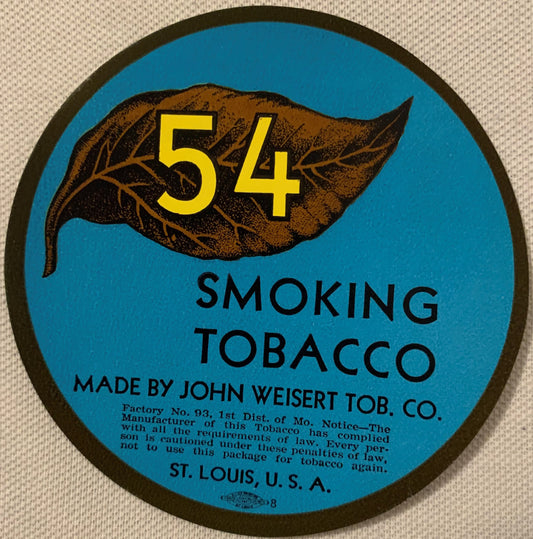
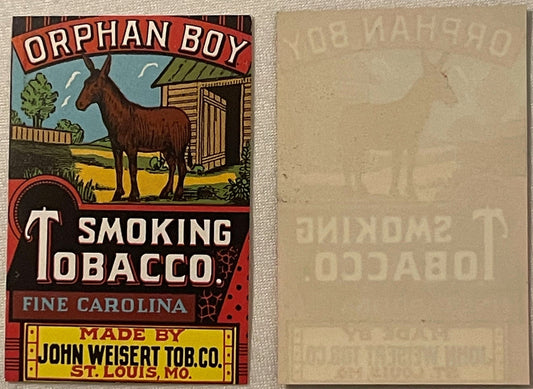
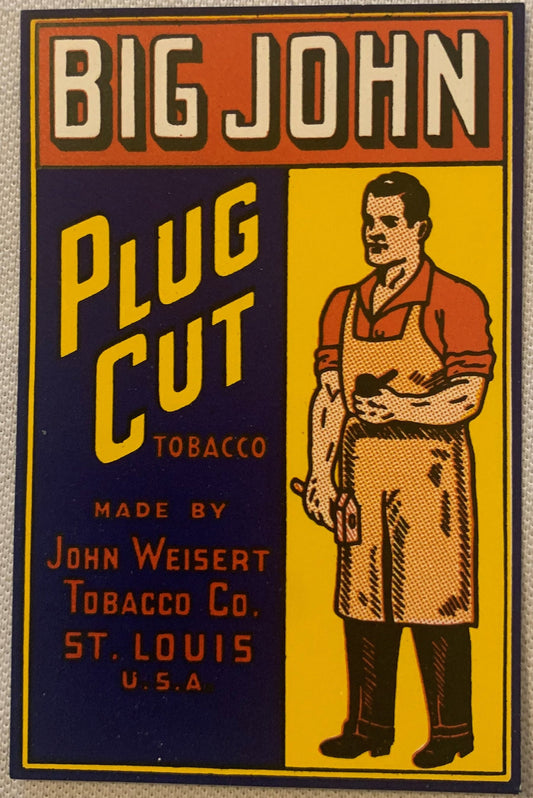
And it kept going. In 1909 Pike was on the union list of Weisert's granulated smoking tobaccos, right alongside Pure Havana, Rod and Gun, Orphan Boy, Jumbo, Honest Pound and Louisiana Perique; in 1911 the company's man at the Philadelphia tobacco show named it among their leading brands, along with Granulated 54, Orphan Boy, Harp and Big John plug cut; in 1915 the Cincinnati report in the United States Tobacco Journal called Pike and 54 the firm's "established leaders"; and in the spring of 1931 Weisert was still advertising "Pike" Granulated as a union-made tobacco in the Labor Clarion, the San Francisco Labor Council's paper, under the banner "Makers of High Grade Union-Made Tobaccos," and the paper wrote up a Weisert salesman handing out samples to union men. By 1972 the Missouri Historical Society still counted Pike among Weisert's most popular brands, together with Purity, Orphan Boy, Harp, Rod & Gun and Quaker. The name hung on even longer in the trade's brand directories - "PIKE - Tobacco - John Weisert Tobacco Co." turns up in the Trade Names Dictionary from 1976 through the late '80s, and by the 1996 edition of Companies and Their Brands the old firm's address was listed simply as "unknown."

๐Ÿญ The Last Tobacco Company in St. Louis

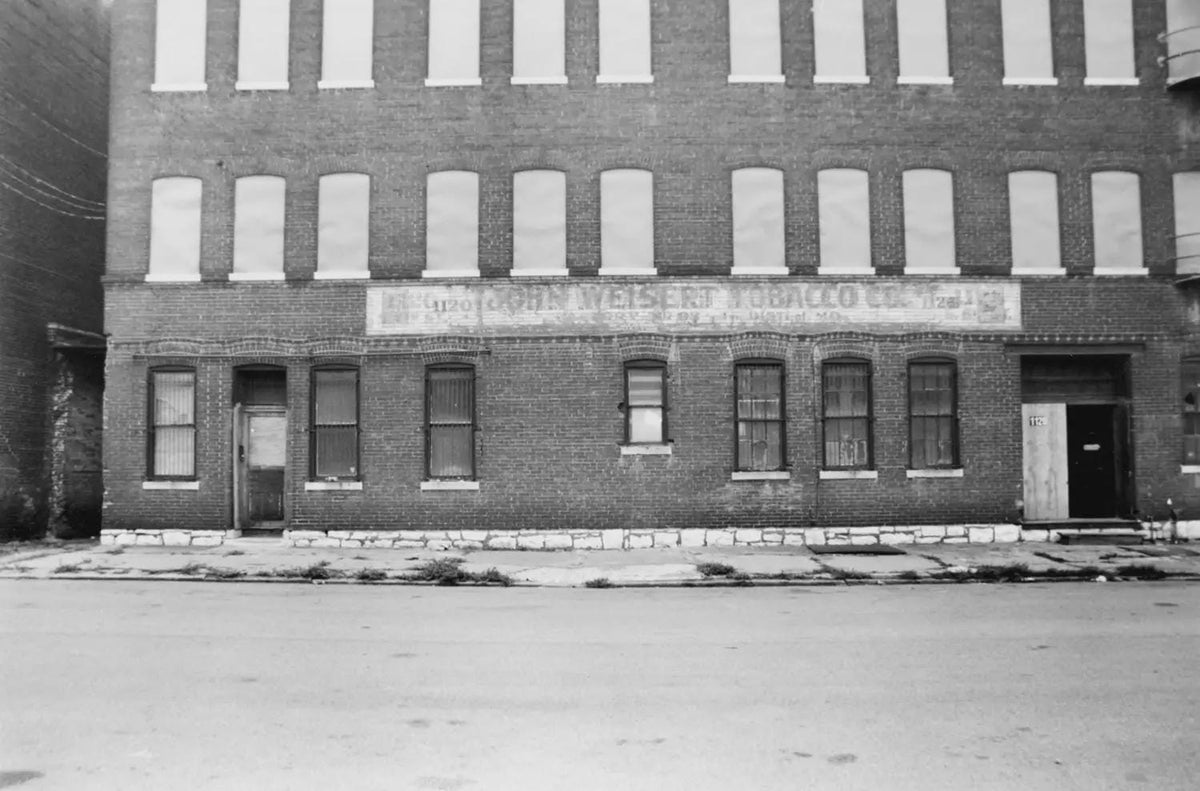
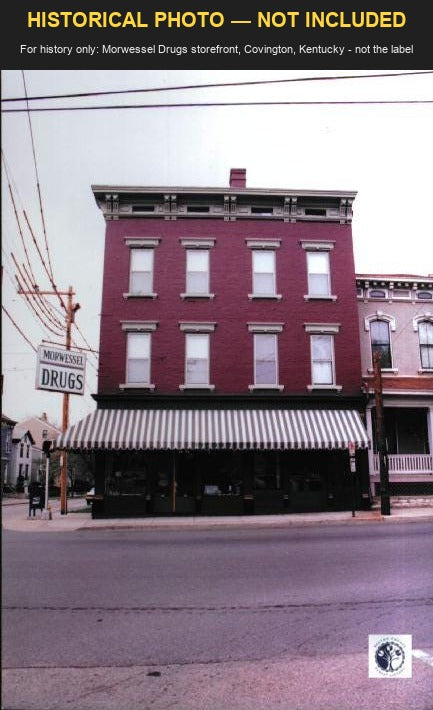
By 1879 St. Louis led the world in tobacco manufacturing, making more than a fifth of all the tobacco manufactured in the country, and by 1890 it was turning out over twice as much as the next city in America. The leaf was shipped in from Kentucky, Tennessee, Ohio and Virginia, more than four hundred tobacco firms were at work in town when the trade peaked at the start of the 1900s, and in 1914 Missouri's factories made almost 40 percent of all the tobacco products in the nation. And a lot of the people doing that work were immigrants. On the near south side, where Weisert would build, the tobacco plants sat alongside the breweries, match works and flour mills, and the immigrants who settled around them were the ready labor: Germans in big numbers around the upheavals of 1848, Irish, Slovaks, Croatians, Hungarians and Czechs, with so many Eastern Europeans that the neighborhood just south of the Weisert factory got the nickname Bohemian Hill. The Weisert family had been in the trade since 1855, when John Weisert, a German immigrant, started a tobacco company in Virginia. His son Albert was born in St. Louis in 1856, a 1921 history of Missouri counts the father among the city's pioneer tobacco dealers, and by 1880 the family business there was Weisert Brothers, run by the sons, John Jr. and Albert. In 1902 John Weisert Jr. left the family's Weisert Brothers firm on Merchant Street to start the John Weisert Tobacco Co., first on Pine Street, and in 1903 he moved into a five-story red-brown brick factory at 1120 South Sixth Street, where the leaf rode the freight elevator up to the fifth floor for drying and steaming. While the Trust swallowed everybody else, Weisert survived and grew to more than 100 brands, many of them bought from firms that went under.

When Louis Applestein, the last cigar hand-roller in the city, passed away in 1976 at 83, the cigars ended, and the business dwindled down to roll-your-own and chewing tobacco, most of it made from cigar cuttings bought from other companies, until the founder's grandson, Walter A. Weisert, was the only one left, blending the flavors himself. The doors closed in 1989, after 133 years in the business, and that was St. Louis's last call in tobacco manufacturing - Liggett & Myers had already shut its St. Louis factory late in 1972, so Weisert had been the last tobacco maker in the city since then. The building went on the National Register of Historic Places in 2004, with the Weisert name still painted on the brick, and it's offices and lofts today. When it was written up for the Register in 2003, the upper floors still held the smell of tobacco, and part of the original wooden drying rack was still standing on the fifth floor.

๐Ÿ“… When This One Was Printed

The brand is World's Fair old, but the early pouches said "Blended with Genuine Turkish" and this plain label doesn't. I put this exact design in the 1940s, and the story in the trade is that the stock came straight out of the old Weisert building.

Most of the artists who drew labels like this were very good but desperate for work, paid very little and never credited. Their names are lost, but their art is right here. The black-and-white picture of the Weisert building is just there for the history - it doesn't come with the label. The supply is finite - nobody's printing Weisert's Pike labels again, and once these last unused ones are gone, they'll be very difficult to acquire.

Shipping

๐Ÿšš Shipping & Handling

  • Shipping costs and timing are calculated at checkout.
  • Items curated and shipped directly by me include U.S. shipping at no additional cost, professionally packed to ensure safe arrival of your artifact.

Items from Vetted Pro Collectors
Shipping for items offered by vetted Pro Collectors is determined at checkout. All Pro Collector listings are reviewed to ensure fair, reasonable shipping practices.

For full details, please refer to our Shipping Policy.

Returns & Exchange

Take your time โ€” you've got a full six months. If a piece isn't right for you, send it back the way it reached you and we're good.

In the first 30 days your money goes straight back the way you paid. After that it's store credit, so you can put it toward something you'd rather have.

Return shipping we sort out between us, case by case. I don't make this difficult.

If something arrives damaged, or it isn't what I said it was, send me a photo within 48 hours and I'll make it right.

Email info@vintageantiquesgifts.com or call 802-356-9872 โ€” that's me answering, not a call center.

The only things I can't take back are custom or special-order pieces and gift cards.

View full details

Rescuing American History Since 2007

โ€” Travis & the Kids